
Title & Meta Information:
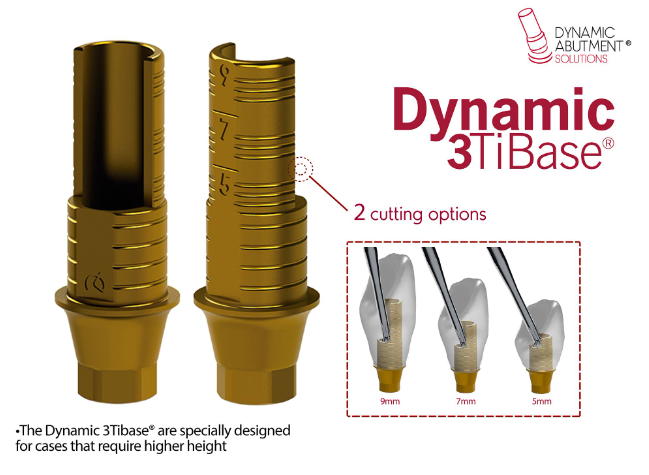
Title: Dynamic Abutments in Complex Occlusal Rehabilitation: Enhancing Occlusal Force Distribution through Digital Optimization
Subtitle: Leveraging Angled Abutments and AI-Driven Jaw Tracking for Complex Bite Cases
Meta Description: Explore the role of dynamic abutments in complex occlusal rehabilitation, focusing on AI-guided jaw tracking and occlusal force optimization.
Keywords: Digital Dentistry, Dynamic Abutments, CAD/CAM, 3D Printing in Dentistry, Occlusal Force Distribution, Jaw Tracking
Abstract/Executive Summary:
Dynamic abutments have revolutionized complex occlusal rehabilitation by enabling customized angulation adjustments that optimize occlusal force distribution. This article delves into how digital jaw tracking, combined with AI algorithms, predicts and enhances occlusal stability in variable angulation implant solutions. Through clinical case studies and an in-depth product review, we explore the benefits, limitations, and future directions of dynamic abutments in digital dentistry.
Introduction & Background:
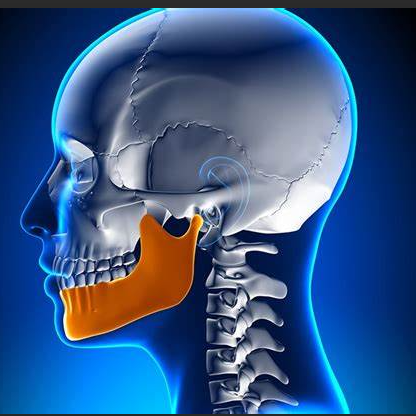
In complex bite cases, achieving optimal occlusal force distribution is crucial for implant longevity and patient comfort. Traditional methods often fall short in managing angled implants and intricate occlusal dynamics. Dynamic abutments offer a solution by allowing precise angulation adjustments. This article examines their integration with digital jaw tracking and AI to improve outcomes in complex occlusal rehabilitation.
Main Body Sections:
A. Clinical/Technical Overview:
The Role of Dynamic Abutments in Managing Complex Bite Cases
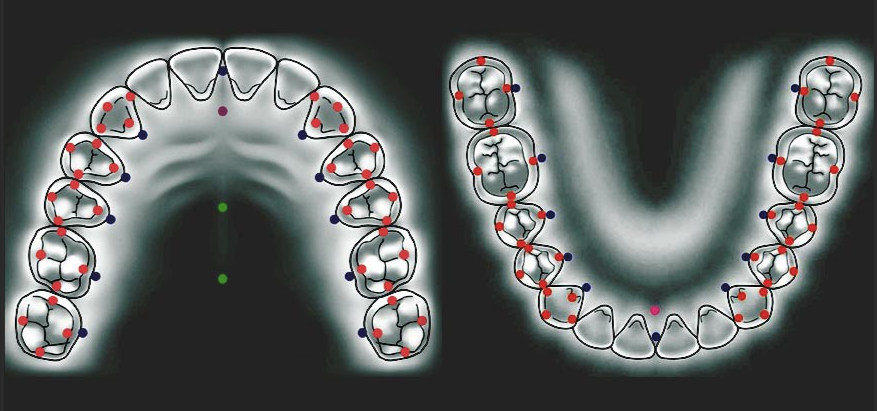
- How angled abutments influence occlusal force distribution.
- Benefits of dynamic abutments in full-arch and multi-unit restorations.
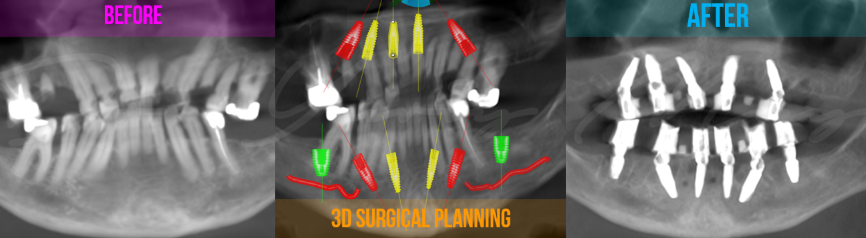
Digital Jaw Tracking & Dynamic Abutment Optimization:
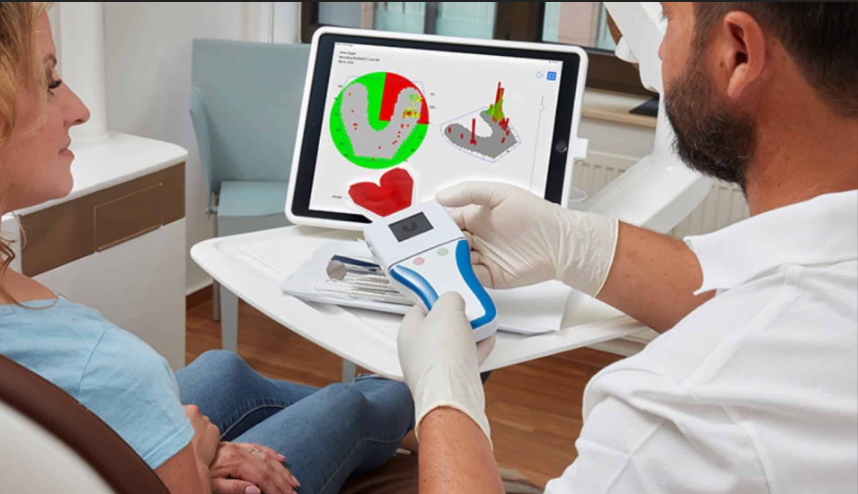
- Using AI to predict occlusal stability with variable angulation implant solutions.
- Integration of digital jaw tracking systems for real-time occlusion analysis.
B. Case Studies & Clinical Applications:
- Case Study 1: Full-arch rehabilitation using dynamic abutments.
- Case Study 2: Managing crossbite cases with angled implant solutions.
- Outcomes: Occlusal balance, patient comfort, and implant longevity.
C. Product & Company Review:
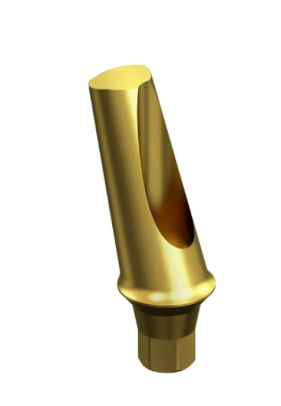
| Product | Features | Pricing | Pros | Cons |
| FlexiAbut™ | 360° rotational angulation | $350/unit | High flexibility, durable | Costly for multi-unit cases |
| AngleFit Pro™ | AI-integrated occlusal analysis | $420/unit | Precise force mapping | Requires proprietary software |
| OmniTrack Abutment | Adjustable angulation (0°-30°) | $380/unit | Broad compatibility | Limited AI integration |
D. Research Evidence & Citations
- www.journalofdigitaldentistry.com
- www.implantologyresearchhub.com
- www.dentalscienceupdate.com
- www.cadcaminnovations.com
E. Benefits, Limitations & Comparisons
Benefits:
- Enhanced occlusal force distribution.
- Improved implant stability.
- Customizable angulation for complex cases.
Limitations:
- Higher cost compared to standard abutments.
- Requires advanced digital planning tools.
Comparative Analysis:
- Dynamic Abutments vs. Standard Abutments:
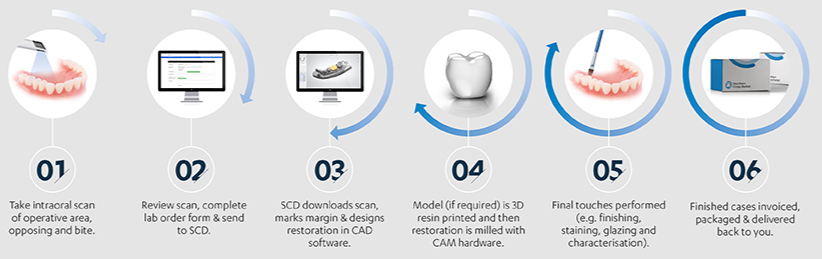
- Dynamic abutments offer adjustable angulation, reducing implant stress and improving prosthetic fit. Standard abutments, while cost-effective, lack this flexibility, potentially leading to occlusal overload in complex cases.
- AI-Guided Occlusion Analysis vs. Traditional Methods:
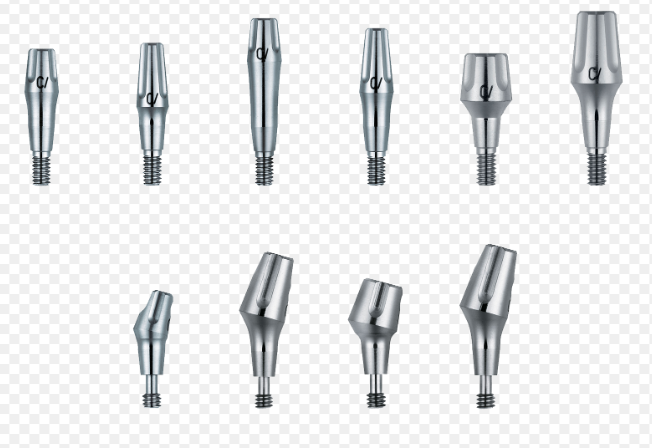
- AI-driven systems provide real-time data on occlusal force distribution, enhancing accuracy and treatment outcomes. Traditional methods rely on static models and clinician experience, which may overlook subtle force imbalances.
F. Future Directions & Innovations:
- Integration of real-time jaw tracking with augmented reality.
- Advanced AI algorithms for predictive occlusal modeling.
- Development of bioadaptive abutments.
G. Feedback & Testimonials:
- Dr. A. Roberts: “Dynamic abutments have transformed my approach to full-arch rehabilitation.”
- Patient Testimonial: “The new implant feels completely natural, and the recovery was smooth.”
Conclusion:
Dynamic abutments offer an innovative solution for managing complex occlusal rehabilitation. By combining variable angulation with AI-driven occlusion analysis, clinicians can achieve superior outcomes, reducing the risk of implant failure and enhancing patient comfort. As technology evolves, the integration of advanced digital tools will further refine these techniques, making them accessible for a broader range of clinical cases.
References & Additional Resources: