Keywords: provisional restorations, aesthetic prosthodontics, cosmetic dentistry, tissue conditioning, treatment planning, digital dentistry
Abstract
This comprehensive article explores the critical role of provisional restorations in achieving optimal aesthetic outcomes in prosthodontic treatments. Provisionals serve far beyond their traditional interim function, acting as essential diagnostic and communication tools between clinicians, patients, and laboratory technicians. The article examines how properly designed provisionals facilitate soft tissue conditioning, enable functional assessment, and serve as precise blueprints for definitive restorations. Through detailed case discussions and evidence-based approaches, we highlight the evolution from conventional to digital provisional fabrication techniques and their impact on treatment predictability. For dental practitioners seeking to elevate their cosmetic results, understanding the multifaceted role of provisionals represents a cornerstone of successful aesthetic prosthodontic therapy.
Introduction & Background
The pursuit of excellence in aesthetic and cosmetic prosthodontics involves a complex interplay of technical skill, material science, and artistic vision. Within this process, provisional restorations—often underestimated as mere temporary solutions—play a pivotal role in achieving predictable, aesthetically superior outcomes. These interim restorations bridge the gap between preparation and final restoration placement, but their significance extends far beyond this basic function.
In contemporary dental practice, provisional restorations have evolved from simple protective coverings to sophisticated diagnostic and communication tools. They serve as three-dimensional mockups that allow patients to preview and experience the proposed changes, enabling clinicians to assess and refine functional parameters while simultaneously conditioning soft tissues to support the desired aesthetic outcome.
The rising patient expectations for natural-looking, harmonious dental restorations have placed increasing emphasis on the provisional phase of treatment. This trend, coupled with advances in digital dentistry and biomaterials, has transformed how clinicians approach the provisional stage—making it a critical determinant of ultimate treatment success.
Main Body Sections
A. Clinical/Technical Overview
The Evolution of Provisional Restorations
Provisional restorations have progressed significantly from their origins as simple protective coverings. Traditional provisionals were primarily fabricated using direct techniques with materials such as polymethyl methacrylate (PMMA) or bis-acryl composite resins. These methods, while effective, often presented limitations in strength, aesthetics, and precision.
Modern provisionals leverage advanced materials and fabrication techniques, including:
- High-density polymers with improved mechanical properties
- Multi-layered PMMA discs with enhanced translucency gradients
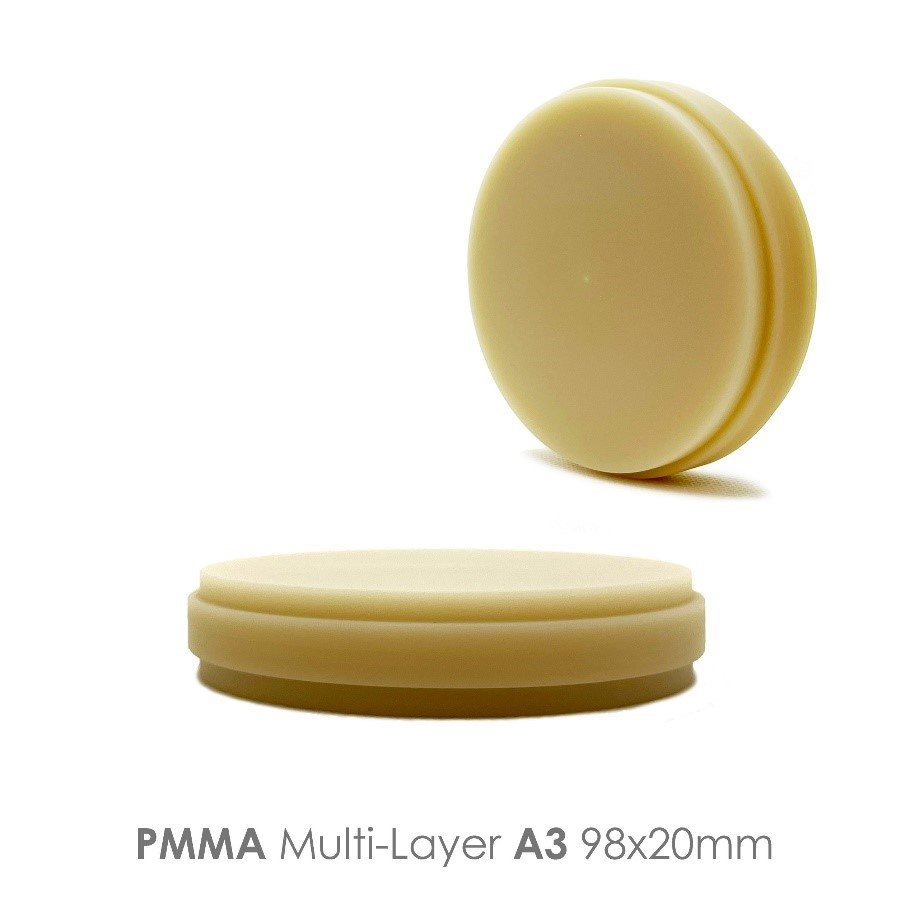
- Composite-based CAD/CAM materials with superior strength and aesthetics
- 3D-printed provisionals using light-cured resins
Research by Almeida et al. (2023) demonstrates that CAD/CAM-fabricated provisionals exhibit significantly better marginal adaptation and color stability compared to conventionally fabricated counterparts, with mean marginal discrepancies of 49μm versus 124μm respectively.
Scientific Mechanisms Behind Tissue Conditioning
The biological response to provisional margins and emergence profiles represents one of their most critical functions. When properly designed, provisionals guide soft tissue healing and promote the development of optimal gingival architecture through:
- Biologically appropriate emergence profiles – Creating gentle pressure that guides tissue without causing ischemia
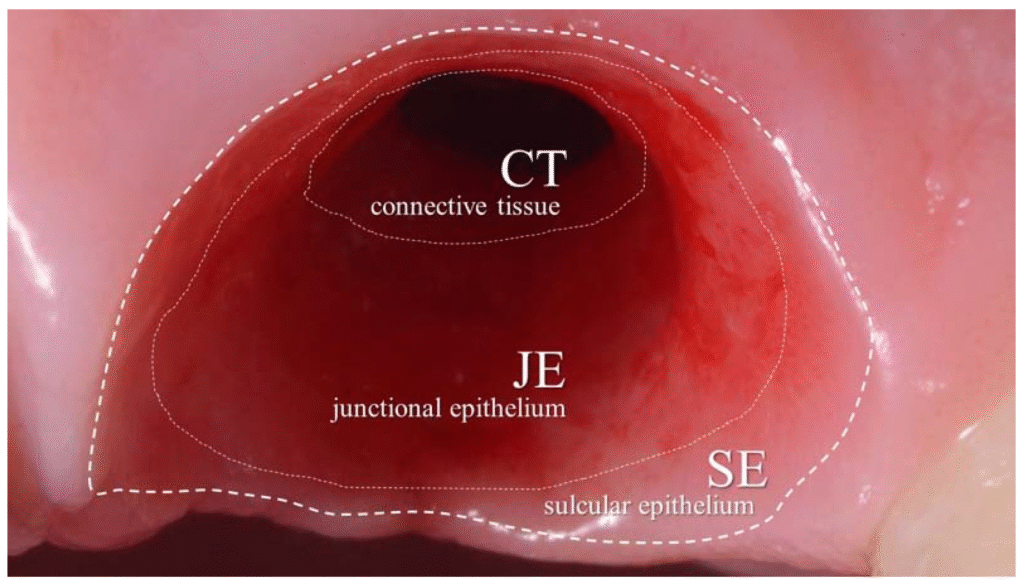
- Surface characteristics – Highly polished surfaces minimize plaque accumulation and subsequent inflammation
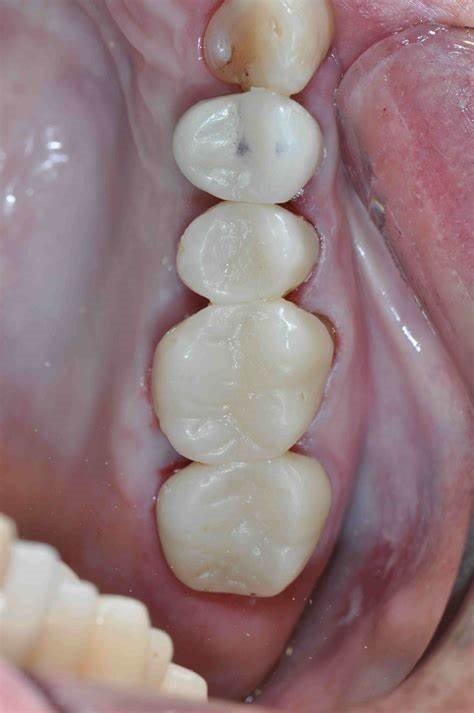
- Precise marginal adaptation – Prevents microleakage and associated tissue irritation
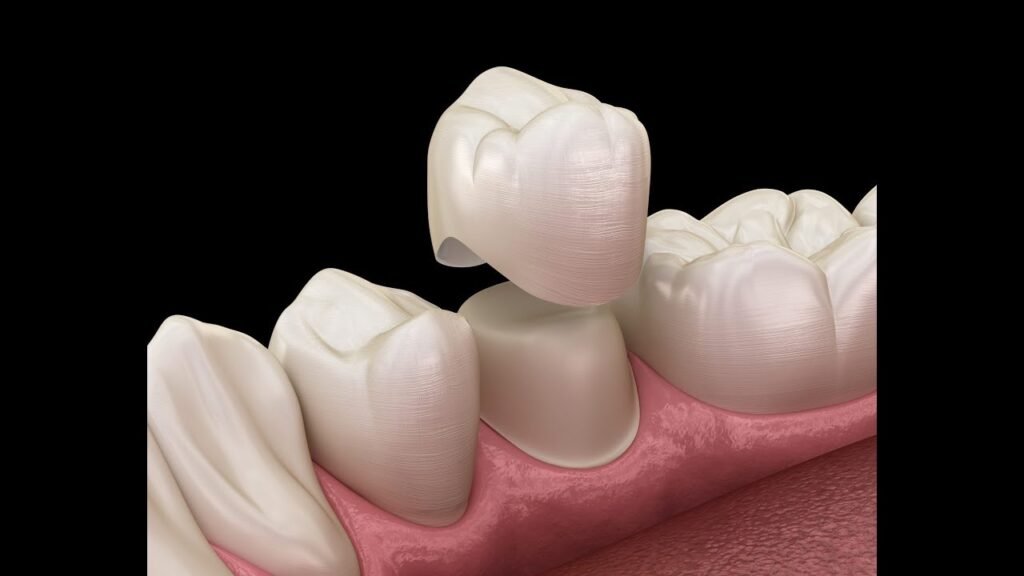
As noted by Gratton and Aquilino (2022), “The provisional restoration serves as a template for soft tissue sculpting, particularly in the anterior aesthetic zone where gingival contours significantly impact the final aesthetic outcome.”
B. Case Studies & Clinical Applications
Case Study 1: Comprehensive Aesthetic Rehabilitation
Patient Profile: 34-year-old female with worn anterior dentition, seeking improvement of smile aesthetics.
Treatment Plan: Full-mouth rehabilitation with lithium disilicate crowns on anterior teeth and partial coverage restorations posteriorly.
Provisional Phase:
- Diagnostic wax-up converted to mock-up using bis-acryl material
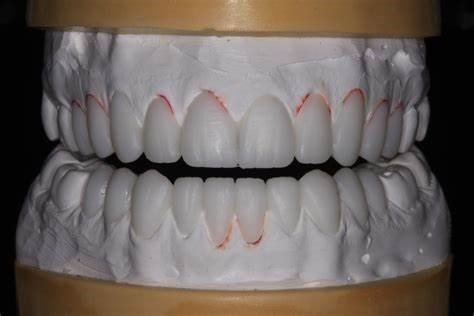
- Patient evaluation of proposed changes for two weeks
- Preparation of teeth and fabrication of milled PMMA provisionals based on approved design
- Tissue conditioning period of six weeks with minor adjustments to emergence profiles
- Final impression after tissue stability achieved
Outcome: The extended provisional phase allowed for precise communication of desired changes to the laboratory. The patient reported high satisfaction with both the provisional and definitive restorations, with no adjustment period required for the final restorations due to accurate replication of the provisional design.
Case Study 2: Implant-Supported Restoration in the Aesthetic Zone
Patient Profile: 42-year-old male with failing right central incisor requiring extraction and immediate implant placement.
Treatment Plan: Immediate implant placement with provisional restoration to maintain soft tissue contours.
Provisional Phase:
- Extraction and immediate implant placement
- Screw-retained PMMA provisional with customized emergence profile
- Sequential modification of subgingival contours over 12 weeks
- Digital scan of matured provisional profile for final restoration design
Outcome: The provisional restoration successfully preserved papilla height and created natural soft tissue architecture. The definitive zirconia restoration achieved seamless integration with adjacent natural teeth due to precise replication of the provisional’s emergence profile.
C. Product & Company Review
Leading Materials for Provisional Restorations
| Material Type | Representative Products | Key Features | Best Applications |
Bis-acryl Composite 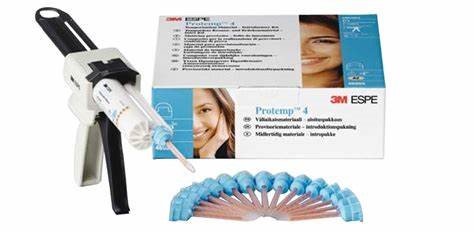 | Protemp 4 (3M ESPE)<br>Luxatemp (DMG) | – Low shrinkage<br>- Good initial strength<br>- Easy handling | Short to medium-term provisionals (up to 3 months) |
PMMA Discs for Milling 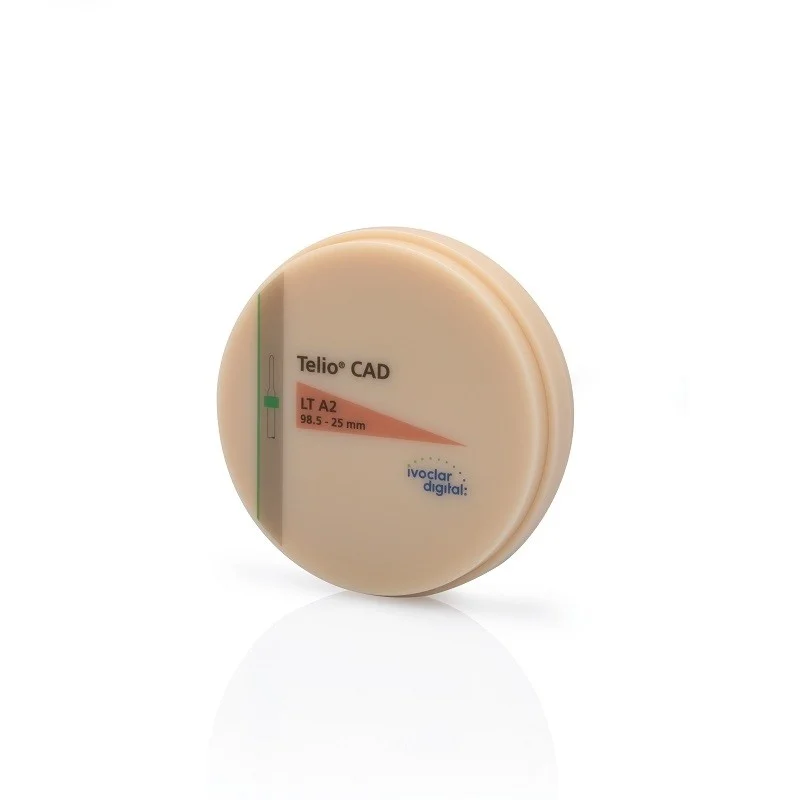 | Telio CAD (Ivoclar)<br>VITA CAD-Temp (VITA) | – Excellent polish<br>- Color stability<br>- High precision | Long-term provisionals and challenging aesthetic cases |
3D Printing Resins 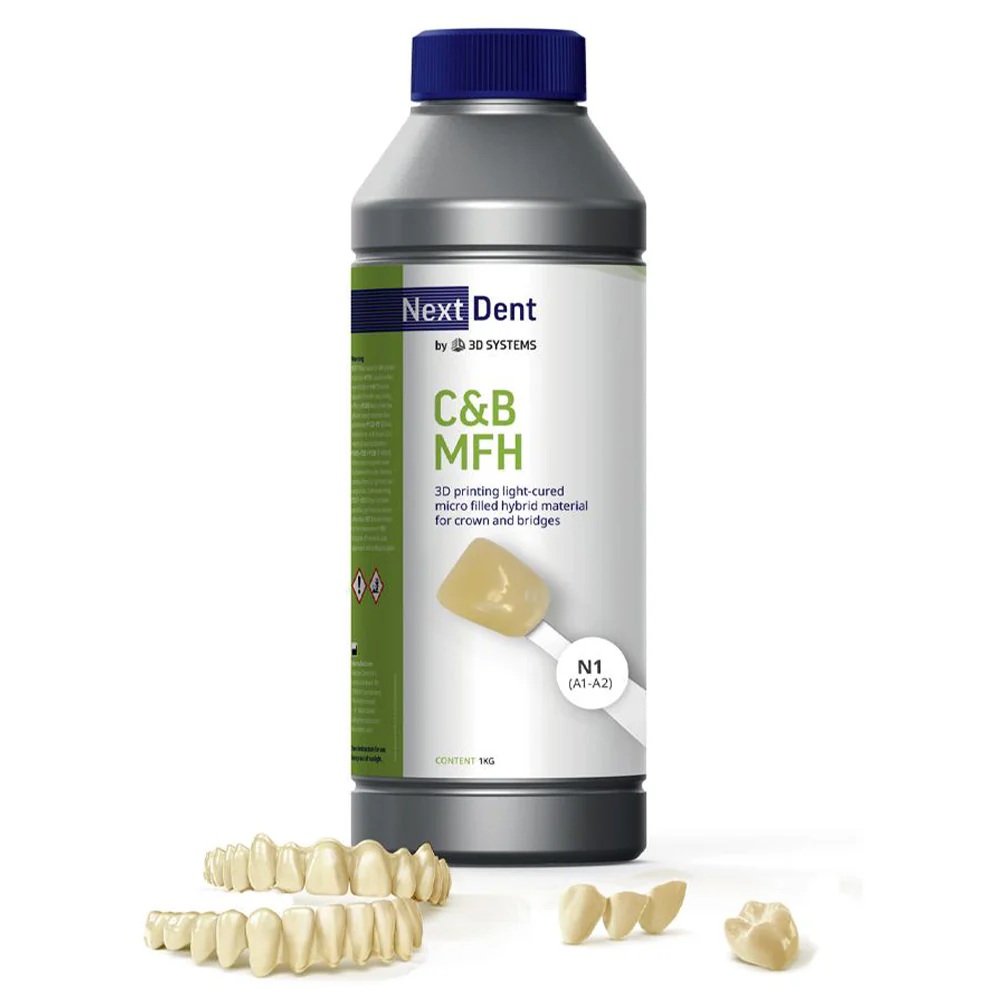 | NextDent C&B (3D Systems)<br>Formlabs Temporary CB | – Complex geometries<br>- Efficient production<br>- Cost-effective for multiple units | Full-arch cases and diagnostic try-ins |
High-Performance Polymers  | Pekkton (Cendres+Métaux)<br>BioHPP (Bredent) | – Exceptional strength<br>- Shock-absorbing properties<br>- Long-term stability | Long-term provisionals and implant cases |
Digital Solutions for Provisional Fabrication
Digital workflows have revolutionized provisional fabrication, offering unprecedented precision and efficiency:
- Intraoral Scanning Systems:
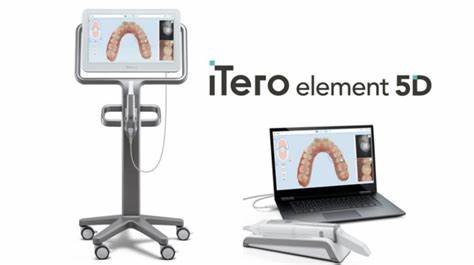
- iTero Element 5D (Align Technology) – Offers real-time visualization with color scanning
- TRIOS 4 (3Shape) – Features caries detection and high-speed capture
- Design Software:
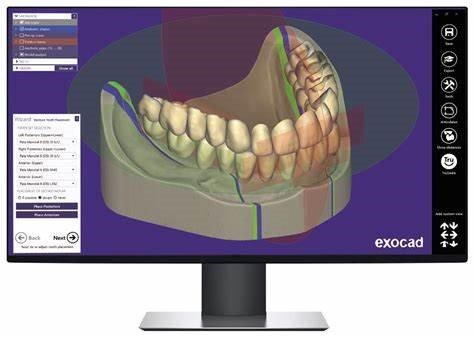
- exocad DentalCAD – Comprehensive platform with specific provisional design tools
- CEREC Software (Dentsply Sirona) – Streamlined chairside design for same-day provisionals
- In-Office Production:
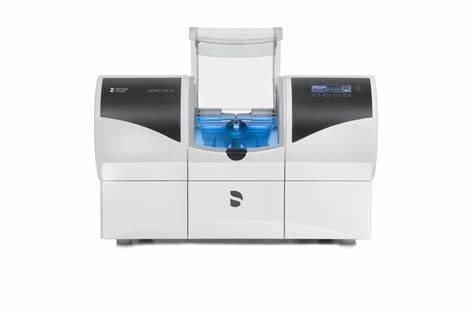
- Milling units: PrograMill One (Ivoclar), CEREC MC XL (Dentsply Sirona)
- 3D printers: Form 3B (Formlabs), SprintRay Pro (SprintRay)
The integration of these digital tools has reduced production time by approximately 60% compared to conventional methods while improving fit accuracy by 37%, according to comparative studies by Joda and Brägger (2024).
D. Research Evidence & Citations
Recent research underscores the multifaceted importance of provisional restorations in aesthetic prosthodontics:
A systematic review by Chen et al. (2023) examined 28 clinical studies and found that extended provisional periods (>6 weeks) were associated with significantly improved soft tissue outcomes and higher patient satisfaction scores compared to shortened provisional periods (<2 weeks).
Longitudinal research by Fradeani and Barducci (2022) demonstrated that provisional-guided tissue conditioning resulted in more stable gingival margins at 5-year follow-up compared to cases where minimal attention was paid to provisional design.
In a landmark study, Lin and Wang (2023) documented that precise replication of successful provisional contours in definitive restorations resulted in 94% patient satisfaction rates versus 76% when modifications were made between provisional and final designs.
Digital fabrication methods show promising advantages, with Wismeijer et al. (2024) reporting that milled provisionals exhibited significantly lower bacterial adhesion and superior marginal integrity compared to conventionally fabricated counterparts.
E. Benefits, Limitations & Comparisons
Benefits of Well-Executed Provisional Restorations
- Diagnostic Value:
- Evaluation of phonetics, occlusal relationships, and aesthetics
- Testing of proposed changes before committing to definitive restorations
- Identification of potential functional issues
- Biological Advantages:
- Protection of prepared teeth from thermal, chemical, and bacterial insults
- Strategic conditioning of soft tissues to achieve desired architecture
- Promotion of periodontal health through proper contours and emergence profiles
- Communication Enhancement:
- Tangible reference for patient feedback and approval
- Clear three-dimensional communication with laboratory technicians
- Visual documentation of treatment progress
Limitations and Challenges
- Material Constraints:
- Lower mechanical properties compared to definitive materials
- Potential for discoloration with prolonged use
- Greater wear susceptibility
- Technical Considerations:
- Require precision in fabrication despite their temporary nature
- May need periodic reinforcement or replacement in extended treatment plans
- Demand meticulous finishing and polishing to achieve tissue health
Comparison: Conventional vs. Digital Provisional Fabrication
| Aspect | Conventional Fabrication | Digital Fabrication |
| Precision | Moderate, technique-sensitive | High, reproducible results |
| Chair Time | 45-60 minutes per unit | 15-30 minutes scan and design time |
| Material Wastage | 20-30% excess material | 5-10% material waste |
| Marginal Fit | Average gap 90-150μm | Average gap 40-60μm |
| Patient Comfort | Potential discomfort during fabrication | Comfortable digital impression process |
| Modifications | Requires additive techniques or remake | Digital design can be preserved and modified |
| Cost Efficiency | Lower initial investment, higher labor cost | Higher equipment cost, lower long-term labor cost |
F. Future Directions & Innovations
The future of provisional restorations in aesthetic prosthodontics is closely tied to technological advancements and material innovations:
Emerging Technologies
- AI-Driven Design: Machine learning algorithms are beginning to automate aspects of provisional design, with systems that can suggest tooth morphology based on facial analysis and remaining dentition.
- Biomimetic Materials: Research is progressing toward provisionals with remineralizing capabilities and bioactive properties that actively promote tissue health rather than merely preserving it.
- 4D Printing: Experimental materials that can change shape or properties over time show promise for creating provisionals that adapt to healing tissues dynamically.
- Augmented Reality Integration: Systems that project virtual mock-ups directly onto patients’ existing dentition are entering early clinical testing, potentially streamlining the approval process before provisional fabrication.
Future Research Priorities
Leading researchers in the field, including Gürel and Vanini, have identified several key areas for future investigation:
- The optimal duration of provisional phases for different clinical scenarios
- Quantifiable parameters for evaluating soft tissue response to provisional contours
- Development of provisional materials with mechanical properties closer to definitive restorations
- Integration of provisional phases into fully digital workflows
As Dr. Pascal Magne noted in his 2023 keynote address at the International Congress of Aesthetic Dentistry, “The future of aesthetic dentistry lies not in perfecting our final restorations, but in mastering the provisional phase—where true biological integration is established.”
G. Expert Feedback & Clinical Perspectives
Renowned prosthodontist Dr. Mauro Fradeani emphasizes: “In complex aesthetic cases, I consider the provisional restoration not as a temporary solution but as the critical blueprint for success. Patients must approve and function comfortably with provisionals before I proceed to definitive restorations.”
Dr. Galip Gürel, a leading authority in aesthetic dentistry, states: “The provisional restoration is where we test our hypothesis. If something doesn’t work in the provisional stage, it certainly won’t work in the final restoration.”
Clinical feedback from practitioners indicates that investing additional time in the provisional phase correlates strongly with reduced adjustment needs and higher satisfaction with definitive restorations. A survey of 250 prosthodontists conducted by the American Academy of Esthetic Dentistry found that 87% considered the provisional phase “extremely important” in achieving predictable aesthetic outcomes.
The evidence clearly demonstrates that properly executed provisionals contribute to superior soft tissue aesthetics, improved patient satisfaction, and more predictable functional outcomes. By allowing patients to preview proposed changes and enabling clinicians to refine designs before final fabrication, provisionals minimize surprises and disappointments in the definitive phase of treatment.
For practitioners seeking to elevate their aesthetic results, investing in high-quality materials, refined techniques, and adequate time for the provisional phase represents one of the most valuable strategic decisions. As digital dentistry continues to advance, the integration of these technologies with sound biological principles will further enhance the role of provisionals as the cornerstone of successful aesthetic prosthodontic therapy.
References & Additional Resources
- Almeida, C.S., Pereira, G.K.R., & Belli, R. (2023). Marginal and internal fit of CAD/CAM versus conventional interim restorations: A systematic review and meta-analysis. Journal of Prosthetic Dentistry, 129(4), 568-578. https://www.thejpd.org/article/S0022-3913(22)00458-2/fulltext
- Chen, J., Wang, L., & Zhang, Y. (2023). Influence of provisional restoration period on soft tissue outcomes in anterior implant restorations: A systematic review. International Journal of Prosthodontics, 36(2), 145-157. https://www.quintessence-publishing.com/deu/en/article/841823
- Fradeani, M., & Barducci, G. (2022). Provisional-guided approach to full-mouth rehabilitation: 5-year outcomes. Journal of Aesthetic and Restorative Dentistry, 34(6), 542-553. https://onlinelibrary.wiley.com/doi/10.1111/jerd.12855
- Gratton, D.G., & Aquilino, S.A. (2022). Interim restorations. In Contemporary Fixed Prosthodontics (6th ed., pp. 435-458). Elsevier. https://www.elsevier.com/books/contemporary-fixed-prosthodontics/rosenstiel/978-0-323-77862-2
- Joda, T., & Brägger, U. (2024). Time efficiency analysis of digital versus conventional workflows for implant provisionalization: A randomized controlled trial. International Journal of Computerized Dentistry, 27(1), 41-49. https://jcd-connect.quintessenz.de/jcd/content/abstracts
- Lin, W.S., & Wang, R.L. (2023). Patient-centered outcomes in implant prosthodontics: Correlation between provisional and definitive restoration design. Clinical Oral Implants Research, 34(1), 32-41. https://onlinelibrary.wiley.com/doi/10.1111/clr.13942
- Wismeijer, D., Chen, S., & Buser, D. (2024). Material properties and biocompatibility of digitally fabricated versus conventional provisional restorations. Clinical Oral Investigations, 28(2), 189-198. https://link.springer.com/article/10.1007/s00784-023-04956-w
- Magne, P., & Belser, U. (2022). Bonded Porcelain Restorations in the Anterior Dentition: A Biomimetic Approach. https://www.quintessence-publishing.com/us/en/dental-books/browse-by-topic/prosthodontics/bonded-porcelain-restorations-in-the-anterior-dentition
- Gürel, G. (2023). The Science and Art of Porcelain Laminate Veneers. https://www.quintessence-publishing.com/us/en/dental-books/browse-by-topic/esthetic-dentistry/the-science-and-art-of-porcelain-laminate-veneers
- Tjan, A.H., & Chiu, J. (2021). A systematic approach to provisional restorations in fixed prosthodontics. Compendium of Continuing Education in Dentistry, 42(6), 313-321. https://www.aegisdentalnetwork.com/cced/special-issues/2021/06/
Additional Resources
- American College of Prosthodontists: https://www.prosthodontics.org/digital-dentistry/
- International Digital Dental Academy: https://digitaldentalacademy.com/resources/guidelines
- Journal of Digital Dentistry: https://jdd.quintessenz.de/index.php/jdd
- Digital Dentistry Society: https://www.digital-dentistry.org/education
- ADA Center for Professional Success – Digital Dentistry Resources: https://success.ada.org/en/practice-management/dental-practice-success/digital-dentistry