1. Core Technologies Behind Smart Glasses in Dentistry
Understanding the technological foundations of smart glasses is essential for appreciating their impact on dental practices. Key technologies include:
1.1 Augmented Reality (AR)
AR technology overlays digital information onto the real-world environment, enhancing the user’s perception and interaction with their surroundings. In dentistry, AR can display 3D models of a patient’s anatomy, treatment plans, or diagnostic images directly within the clinician’s field of view, thereby improving precision and reducing the likelihood of errors.
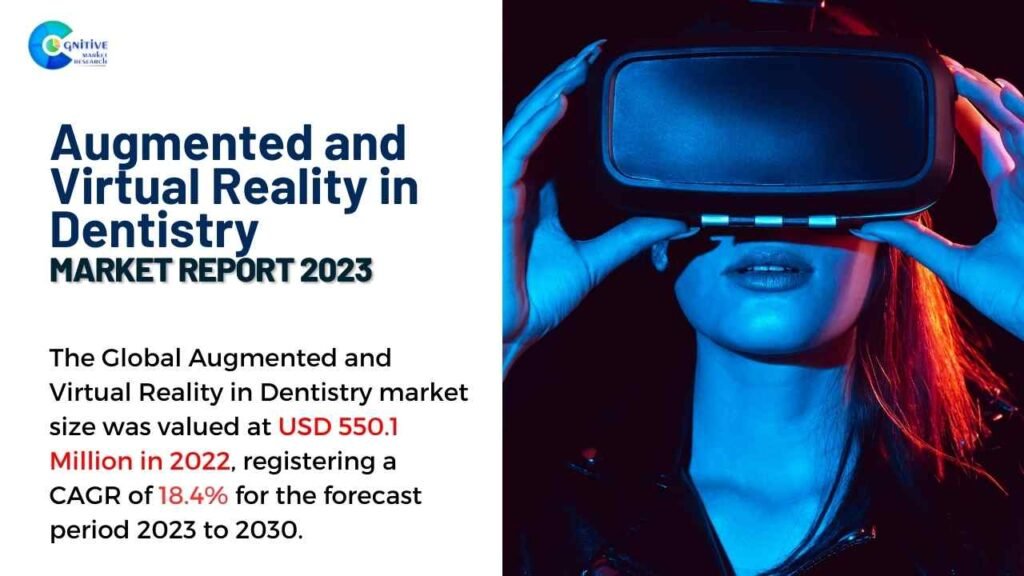
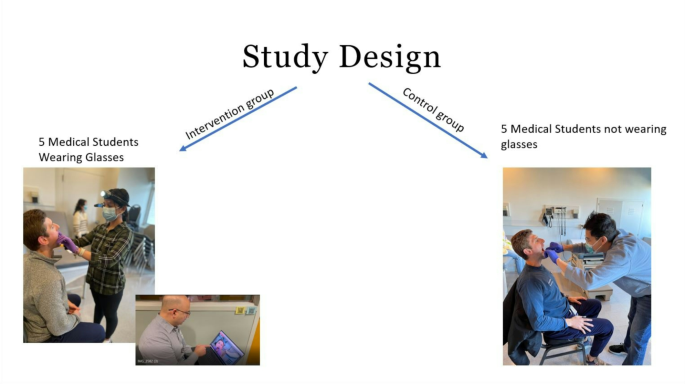
Example: A study demonstrated that smart glasses with AR capabilities effectively enhanced medical education by allowing students to visualize oral and dental examinations in real-time, leading to improved learning outcomes. PubMed+1BioMed Central+1
1.2 Real-Time Data Synchronization
Smart glasses can synchronize with electronic health records (EHR) and other digital systems, providing clinicians with immediate access to patient data during procedures. This real-time access supports informed decision-making and personalized patient care.
Example: Istanbul University Faculty of Dentistry utilized Vuzix M400 Smart Glasses to guide clinical remote student learning, demonstrating the efficacy of real-time data synchronization in an educational setting. PR Newswire+1Vuzix Corporation+1
1.3 Voice Control and Hands-Free Operation
Equipped with voice recognition software, smart glasses enable hands-free operation, allowing clinicians to access information, document notes, or control device settings without interrupting patient care. This functionality enhances workflow efficiency and maintains a sterile environment during procedures.
Example: A pilot study involving medical students using smart glasses for oral examinations found that the device’s hands-free operation facilitated effective learning and practice, with students expressing favorable feedback regarding its use. PubMed
2. Comparative Evaluation of Leading Smart Glasses for Dental Applications
The market offers a variety of smart glasses, each with unique features tailored to different professional needs. For dental applications, key considerations include display quality, AR capabilities, comfort, and integration with dental software. Below is a comparative overview of leading models:Tom’s Guide
2.1 Vuzix M400 Smart Glasses
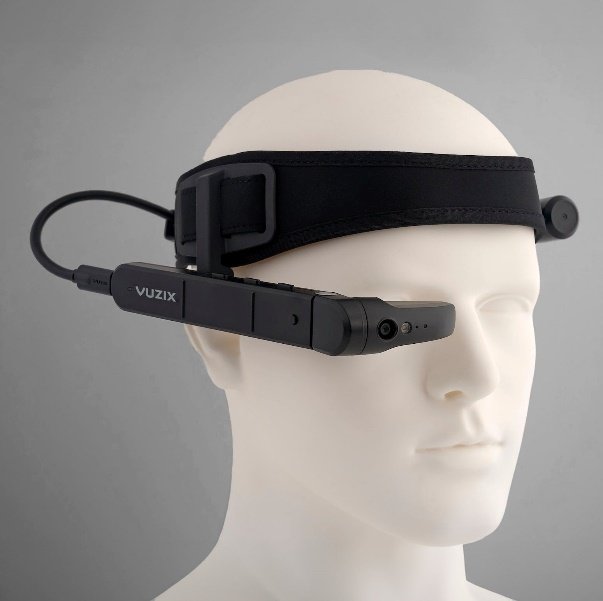
- Display: Offers a high-resolution display suitable for viewing detailed dental imagery.
- A R Capabilities: Supports AR applications, enhancing procedural guidance and patient education.
- Integration: Compatible with various dental software systems, facilitating seamless workflow integration.
- Use Case: Employed by Istanbul University Faculty of Dentistry for remote student learning, demonstrating effectiveness in educational settings. PR Newswire+1Vuzix Corporation+1
2.2 Microsoft HoloLens 2
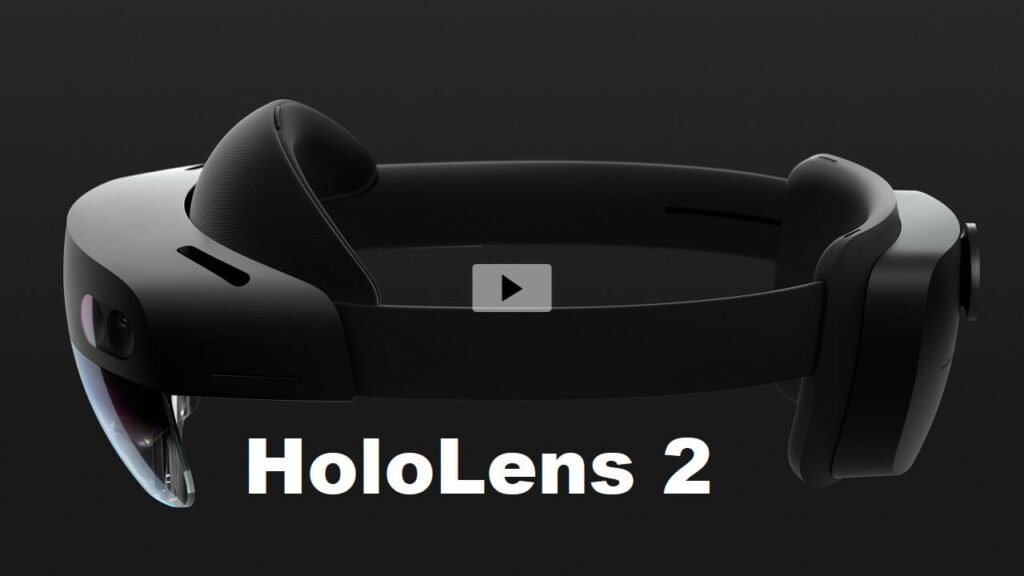
- Display: Features a mixed-reality display with a wide field of view, beneficial for immersive dental applications.
- AR Capabilities: Advanced AR functionalities suitable for complex dental procedures and training.
- Integration: Supports integration with custom dental applications, enhancing procedural workflows.Popular Mechanics
- Use Case: Pilot studies have explored its use in dental implant placement, indicating potential for precise surgical guidance. PMC
2.3 Google Glass Enterprise Edition 2
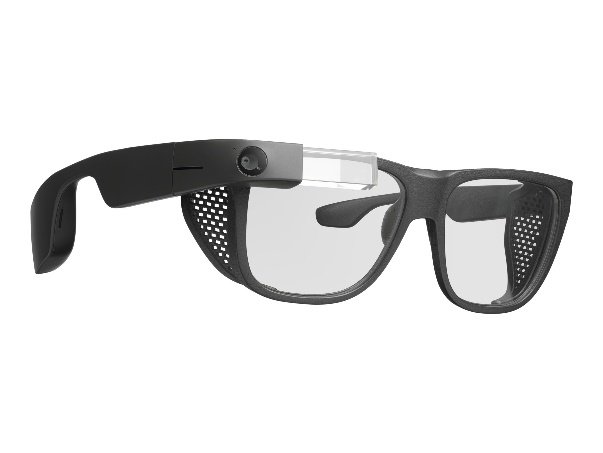
- Display: Provides a transparent display, allowing users to access information without obstructing their view.
- AR Capabilities: Basic AR functionalities suitable for displaying patient information and simple imaging.
- Integration: Compatible with various applications, offering flexibility in dental practice management.
- Use Case: Studies have demonstrated its effectiveness in medical education, suggesting potential applications in dental training. Academia
3. Clinical Applications and Benefits in Dentistry
The integration of smart glasses into dental practice offers multiple clinical benefits:
3.1 Enhanced Educational Training
Smart glasses facilitate real-time observation and feedback during dental procedures, enhancing educational experiences for students and professionals. For instance, Istanbul University Faculty of Dentistry utilized smart glasses to broadcast live procedures, allowing students to observe and learn remotely, thereby maintaining educational continuity during challenging times. Vuzix Corporation+1PR Newswire+1
3.2 Remote Assistance and Collaboration
In complex cases, smart glasses enable remote experts to provide real-time guidance by viewing the clinician’s perspective and offering immediate feedback, thus improving patient outcomes and supporting continuous professional development.
Example: A study on wearable technology in dentistry highlighted the potential of smart glasses to facilitate remote cooperative training and clinical decision-making, enhancing learning at the workplace. Academia
3.3 Improved Patient Care
By accessing comprehensive patient data and visual aids through smart glasses, clinicians can deliver personalized and efficient care, leading to improved patient satisfaction and treatment outcomes.
4. Challenges and Considerations
While the benefits of smart glasses in dentistry are clear, several challenges need to be addressed before they can be widely adopted in dental practices:
4.1 High Initial Cost
One of the primary barriers to the adoption of smart glasses in dentistry is the initial cost. These devices, along with the necessary software and integration into existing practice management systems, can be expensive. For a dental practice to incorporate smart glasses into their daily operations, significant investment is required, including the purchase of glasses, training for staff, and potential adjustments to workflows. This could deter smaller practices from implementing the technology.
Example: While larger institutions may have the budget for advanced technologies like Microsoft HoloLens or Vuzix M400, small dental clinics may find the upfront investment difficult to justify, especially when they already face financial pressures from maintaining traditional equipment and running operations.
4.2 Technical Limitations
Smart glasses, though highly advanced, still come with technical limitations that must be addressed for more widespread usage. One of the most notable limitations is the battery life of these devices. Many smart glasses have limited usage time, especially when heavily used for real-time data processing, AR overlays, and high-definition video streaming. For dental professionals working long hours, frequent charging or the need for extra battery packs could be a significant inconvenience.
Additionally, issues related to hardware compatibility with existing dental systems can arise. Integrating smart glasses with practice management software, EHR systems, and imaging tools often requires adjustments to both the hardware and software infrastructure, which may not always be seamless.
4.3 Privacy and Security Concerns
Given the sensitivity of patient data in dental care, the use of smart glasses raises privacy and security concerns. Any device that connects to the internet or accesses patient records needs to comply with stringent data protection laws such as HIPAA in the United States, or GDPR in Europe. Dental practices must ensure that the smart glasses meet all legal requirements for data encryption, storage, and access control to protect patient privacy.

For example, real-time video streaming could inadvertently expose patient information to unauthorized parties if the system isn’t properly secured. Implementing adequate cybersecurity protocols, including end-to-end encryption, two-factor authentication, and regular software updates, is critical for ensuring that patient data remains confidential.
4.4 Learning Curve and Staff Training
Smart glasses require proper training to be used effectively, and there can be a learning curve associated with their adoption. Dental professionals and staff must become familiar with the software interfaces, voice command functionalities, and integration processes, which can take time and resources. Training may also need to be conducted regularly, especially as software updates or new features are introduced.
Furthermore, some dental staff members may resist adopting new technologies, particularly those who are less comfortable with wearable tech or voice recognition software. Overcoming this resistance and getting buy-in from the entire team can be a slow process, which may delay the implementation of smart glasses in the practice.
4.5 Integration with Existing Systems
Integrating smart glasses into the existing practice management ecosystem can be challenging. Dental practices typically rely on a combination of digital imaging systems, patient management software, and EHR platforms, each with its own data protocols. Ensuring that smart glasses can communicate with these systems and display accurate patient data in real time requires seamless software integration.
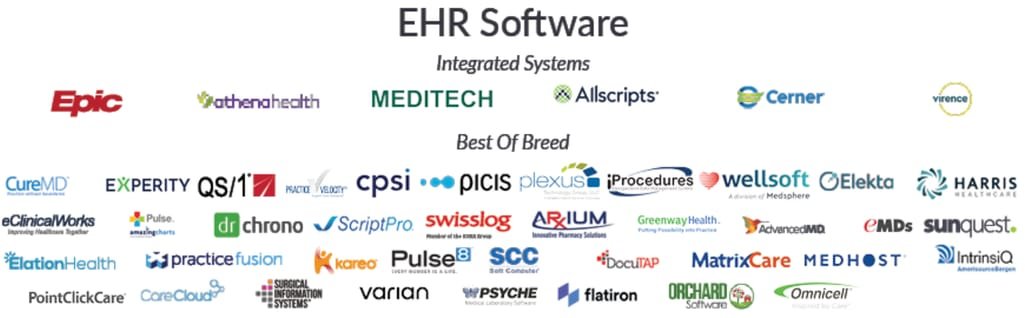
For example, a dentist using smart glasses may need to pull up patient x-rays stored in the practice’s digital imaging system. If the glasses do not integrate with the imaging software or if the device cannot process the image in the correct format, the technology will not add value. Therefore, working closely with software developers and technology vendors to ensure compatibility and proper setup is essential for maximizing the device’s potential.
5. Case Studies: Real-World Applications of Smart Glasses in Dentistry
5.1 Vuzix M400 Smart Glasses at Istanbul University
In Istanbul, a dental school has implemented Vuzix M400 smart glasses as part of their educational curriculum. The university’s use of smart glasses demonstrates the ability to combine real-time visual learning with practical dental procedures. Students in the program were able to observe surgeries and dental treatments through live video feeds, transmitted directly from the glasses worn by the practicing dentist. This use of AR enabled students to see real-time changes and understand the intricate steps involved in various dental procedures, fostering an enhanced learning environment. Moreover, the remote capability allowed students to participate in surgical training without being physically present, expanding the reach of the educational experience.
Source: (prnewswire.com)
5.2 Remote Collaboration with Microsoft HoloLens 2
In the field of oral surgery, smart glasses equipped with Microsoft HoloLens 2 have been used for remote collaboration and surgical planning. A dental clinic in California implemented these glasses to provide real-time guidance to surgeons in remote locations. The surgeons performing complex procedures wore the glasses and transmitted live video to colleagues who could offer immediate feedback, review the patient’s 3D CT scans, and provide advice on the procedure.
The collaboration between dental professionals was seamless, allowing for a more accurate and efficient treatment plan. This case illustrates how smart glasses enable real-time consultations and teamwork in the operating room, even when specialists are not physically present.
Source: (pmc.ncbi.nlm.nih.gov)
5.3 Training and Learning in Orthodontics with Google Glass
In a training setting, Google Glass Enterprise Edition 2 was used to enhance the educational experience for orthodontic students. The University of Birmingham implemented the glasses to help students follow along with detailed procedures. The glasses projected key information, such as treatment plans, patient data, and instructional material, directly into the students’ field of vision. This enabled them to stay focused on the procedure while keeping track of the treatment without having to look at traditional reference materials.Source: (bmcmededuc.biomedcentral.com)
6. Future Trends and Innovations in Smart Glasses for Dentistry
The role of smart glasses in dentistry will continue to evolve, with innovations and new trends shaping the future of the industry. Some of these emerging trends include:
6.1 AI and Machine Learning Integration
As artificial intelligence (AI) and machine learning technologies advance, smart glasses will likely integrate automated decision-making capabilities. AI-powered smart glasses could analyze patient data in real-time and suggest potential treatments or even predict complications during procedures. For example, AI algorithms could assess 3D scans of the patient’s mouth to identify potential issues and alert the dentist, providing actionable insights that enhance patient care.
- Predictive Analytics: AI could also help predict the progression of dental conditions, allowing dentists to proactively adjust their treatment plans.
6.2 Intraoral Scanning Integration
Intraoral scanning is already a significant part of modern dentistry, particularly in orthodontics and restorative dentistry. In the future, smart glasses may integrate with intraoral scanners, enabling dentists to view 3D digital models of a patient’s teeth, gums, and bite in real-time while working in the patient’s mouth. This will enhance precision and allow dentists to make immediate adjustments as they view the progress.
6.3 Direct 3D Printing Integration
The growing trend of 3D printing in dental practices may also become closely linked with smart glasses. Dentists could design custom crowns, implants, and aligners directly through smart glasses. By using augmented reality to visualize and adjust these designs, dentists could eliminate the need for physical impressions and provide more accurate and customized dental appliances.
6.4 Advanced Wearability and Comfort
As smart glasses technology advances, future models will likely be designed for greater comfort and wearability. Currently, some devices can feel bulky or heavy when worn for long periods, but future iterations could be lighter, with more ergonomic designs suited for prolonged use. Additionally, these glasses may become more aesthetically pleasing, encouraging more professionals to adopt them.
6.5 Expansion into Teledentistry
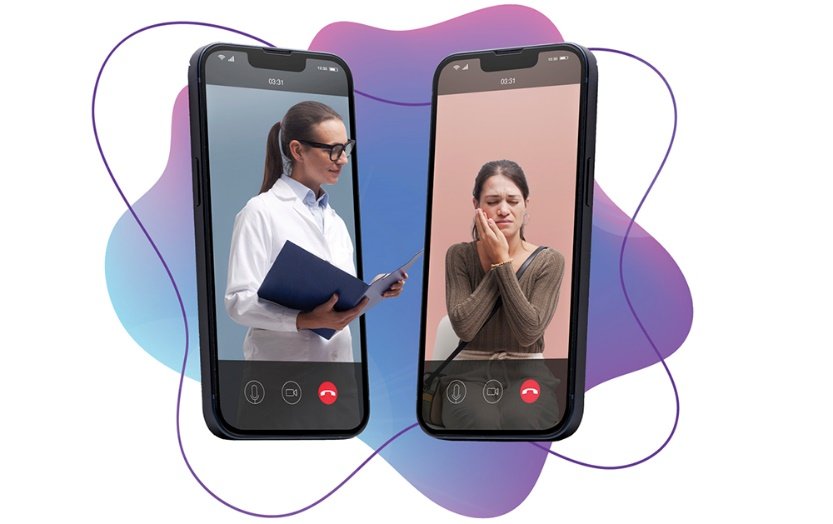
With the rise of teledentistry, smart glasses could play a crucial role in remote consultations. Dentists could use these devices to provide real-time virtual consultations, offering diagnoses, treatment plans, and follow-ups without requiring the patient to visit the office physically. This would be especially beneficial in rural areas or for elderly patients who have difficulty visiting dental clinics.