
Digital EMG, Bruxism Monitoring and Orofacial Pain: Measurement and Clinical Meaning
Can a muscle-activity recording diagnose the cause of facial pain? Surface EMG records electrical activity from sampled masticatory muscles. It can add physiological information, but it is not a standalone diagnosis of myofascial pain or temporomandibular joint disease. Start with the history, examination and the clinical question the measurement is intended to answer. DC/TMD diagnostic framework.
Separate the assessment from the instrument
Orofacial-pain assessment combines the patient’s pain history, standardized examination, function and relevant psychosocial information. Patient-reported pain is important clinical information, not a defect that a digital signal replaces. An adjunct must demonstrate validity and useful information beyond that assessment. Schiffman and colleagues.
Illustration of facial pain. The appearance of an illustration cannot identify the pain condition or select a treatment.
What can surface EMG contribute?
sEMG measures activity in the muscles sampled during specified recording conditions. The device, electrode arrangement, task and signal analysis matter. A muscle signal is not the same as the cause of pain, and a numerical change is not automatically a treatment benefit. These limits concern surface-EMG use in dental assessment; they should not be generalized to every neurological use of needle EMG. DC/TMD.
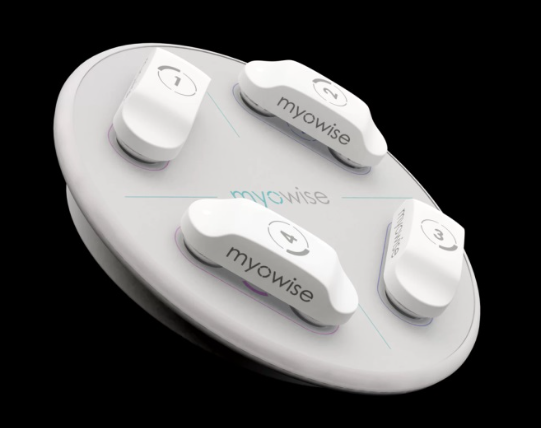
MyoWise hardware is shown as an example of a dental EMG system. Manufacturer descriptions identify the instrument; they do not establish a standalone TMD diagnosis.
How does bruxism assessment differ?
EMG can contribute to device-based assessment of jaw-muscle activity, including sleep or awake activity under appropriate recording conditions. Bruxism assessment also considers subject-based information, clinically based findings and the consequences of the behavior. The updated international consensus uses these assessment categories; it should not be presented as a simple hierarchy in which one device reading automatically settles diagnosis or treatment. 2025 international consensus; 2018 consensus background.
Before interpreting a wearable result, identify what signal was recorded, how sleep and wake activity were distinguished, and whether the device and analysis are validated for the intended task. Recorded activity alone does not establish a TMD diagnosis or justify an occlusal intervention. This is a clinical interpretation of the consensus and diagnostic framework, not a universal device threshold.
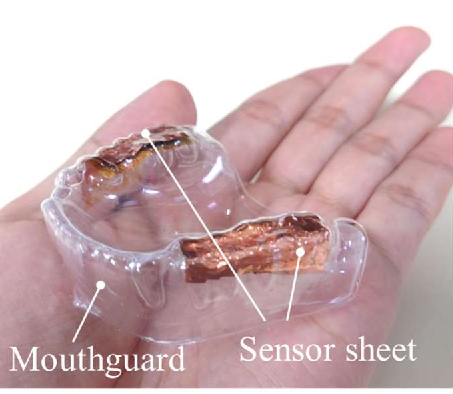
A sensor-bearing mouthguard is illustrated. Appliance-based sensors and surface EMG are not automatically the same measurement; identify the actual signal and validated purpose before comparing results.
Why does trigeminal neuralgia need its own pathway?
Trigeminal neuralgia is a distinct clinical condition requiring appropriate diagnostic classification and specialist management. It should not be merged with every form of orofacial pain or trigeminal neuropathic pain. Any neuromodulation discussion must identify the actual technique, indication, study and limitations. This article does not establish an AI-directed system as effective routine treatment. European Academy of Neurology guideline.
Are all forms of neuromodulation interchangeable?
No. Different interventions have different mechanisms, indications and evidence. Surface recording, external electrical stimulation, cryoneurolysis and an invasive specialist procedure must not be grouped under one generic claim of effectiveness. A product name alone does not identify the relevant clinical evidence.
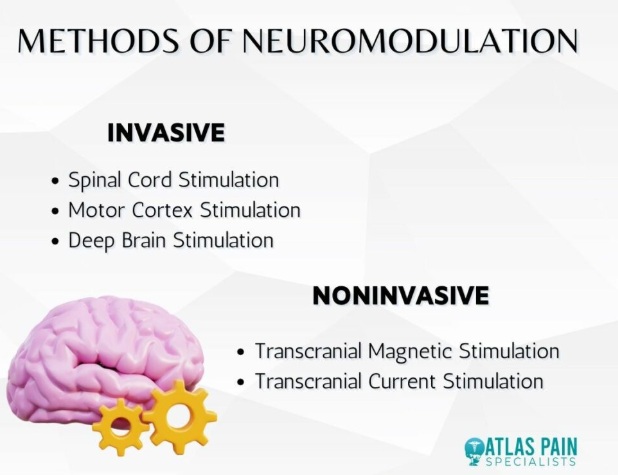
General categories of neuromodulation are illustrated. The pictured invasive and non-invasive approaches are not interchangeable or a list of recommended dental treatments.
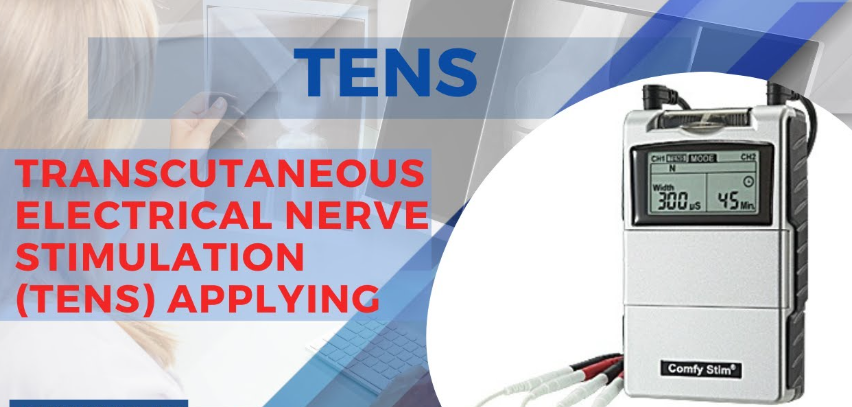
A generic external electrical-stimulation device is pictured. Displayed settings are not a treatment prescription; intended use, safety screening and the exact device instructions govern use.
What questions should be answered before a clinical claim is accepted?
- What condition is being assessed or treated, and how was it diagnosed?
- Does the study test this exact measurement or intervention in a comparable population?
- Is the reported endpoint muscle activity, pain, function, adherence or a durable patient outcome?
- What comparator, adverse effects and follow-up support the conclusion?
These DDS teaching questions replace unsupported case and testimonial claims. They do not describe patients treated by DDS or promise results from an unnamed AI platform.
The practical conclusion
Digital muscle recording, wearable monitoring and neuromodulation have different evidence bases. Use physiological measurements to inform a defined clinical question, keep diagnosis grounded in appropriate assessment, and require condition-specific evidence before claiming treatment benefit.