Keywords: interocclusal records, occlusal accuracy, bite registration materials, digital occlusion, centric relation records, functional dynamics
Executive Summary
This comprehensive article examines the science and clinical applications of interocclusal records in contemporary dental practice. We explore both traditional and digital methods for capturing accurate jaw relationships, analyzing the factors that influence record precision and reproducibility. The article highlights how proper interocclusal records directly impact treatment success in prosthodontics, orthodontics, and other restorative disciplines. Through case presentations and evidence-based comparisons, we demonstrate that material selection, technique precision, and understanding of occlusal dynamics are crucial for predictable outcomes. Recent technological advancements, including digital scanners and virtual articulation systems, are transforming this fundamental aspect of dentistry by offering new solutions to longstanding challenges in occlusal registration. Dental professionals will gain practical insights into optimizing their interocclusal record protocols for improved clinical results.
Introduction & Background
Interocclusal records represent a critical foundation in restorative dentistry, serving as the communication bridge between clinical assessment and laboratory fabrication. These records capture the spatial relationship between mandibular and maxillary arches, providing essential information for accurate articulator mounting and ultimately determining the success of prosthetic restorations.
The evolution of interocclusal recording techniques has paralleled advancements in dental materials science and digital technologies. From traditional wax registrations to modern CAD/CAM compatible materials and direct digital scanning methods, clinicians now have numerous options for capturing occlusal relationships. However, this variety introduces complexity in selecting the optimal approach for specific clinical scenarios.
Despite technological progress, achieving consistently accurate and reproducible interocclusal records remains challenging. Variables including material properties, mandibular position, operator technique, and patient factors can significantly impact record quality. The consequences of inaccurate records extend beyond minor occlusal adjustments to potentially compromised restorations, TMJ complications, and patient discomfort.
This article examines the science and clinical applications of interocclusal records through an evidence-based lens, providing dental professionals with practical guidelines for optimizing accuracy and reproducibility in both conventional and digital workflows.
Clinical and Technical Overview
Fundamentals of Interocclusal Records
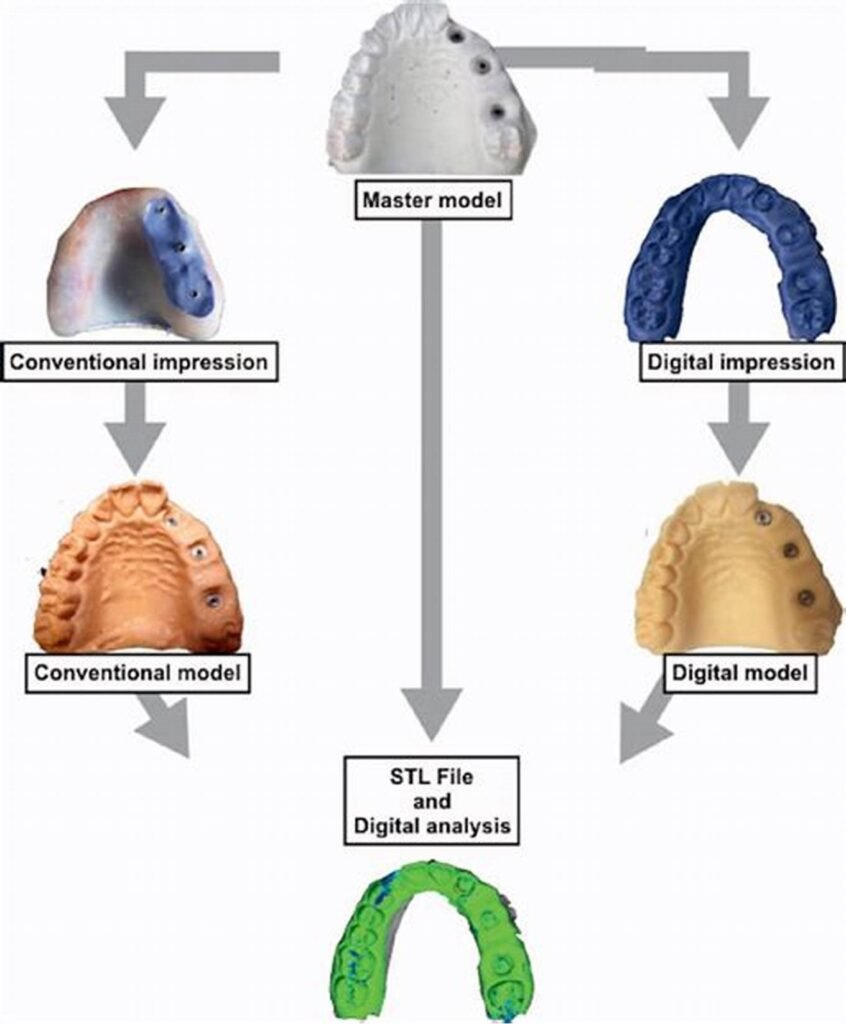
Interocclusal records serve to transfer the patient’s maxillomandibular relationship to an articulator, allowing for accurate restoration fabrication outside the mouth. The ideal interocclusal record should:
- Provide high dimensional stability
- Capture accurate occlusal detail
- Allow for easy verification
- Maintain rigidity during articulator mounting
- Be simple to manipulate clinically
- Offer resistance to compression under mounting forces
Understanding the mandibular positions relevant to interocclusal records is essential. Maximum intercuspation (MI) represents the position of maximum tooth contact, while centric relation (CR) describes a reproducible position of the condyles regardless of tooth contact. Determining whether to record in MI or CR depends on the clinical scenario and extent of reconstruction required.
Material Science of Registration Media
The physical properties of recording materials directly influence their accuracy and reliability. Contemporary dentistry offers several options:
Wax Registration Materials:
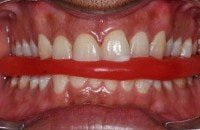
- Traditional but highly technique-sensitive
- Prone to distortion with temperature changes
- Limited dimensional stability
- Best suited for single-unit restorations when properly handled
Polyvinyl Siloxane (PVS) Bite Registration:
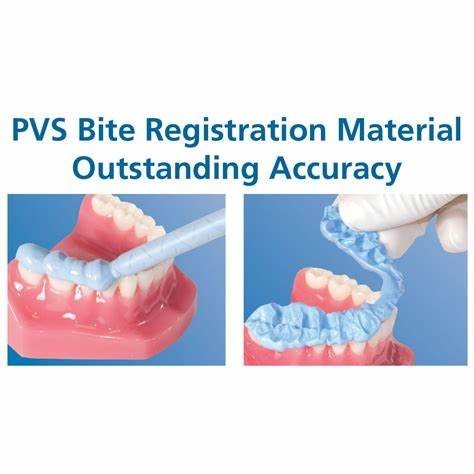
- Excellent dimensional stability
- High detail reproduction
- Minimal compression resistance after setting
- Suitable for most clinical scenarios
Polyether Materials:
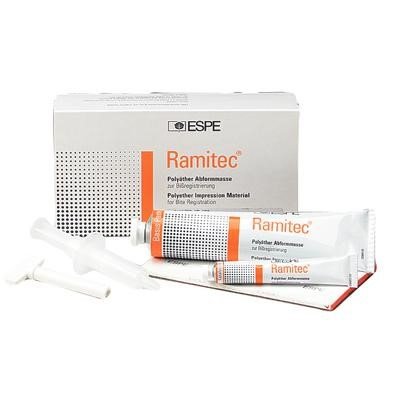
- Good dimensional stability
- Rigid after setting
- Hydrophilic properties
- More technique-sensitive than PVS
Bite Registration Composite Resins:
- High rigidity after setting
- Good dimensional stability
- Less detail reproduction than elastomers
- Excellent for edentulous areas
Zinc Oxide Eugenol Pastes:
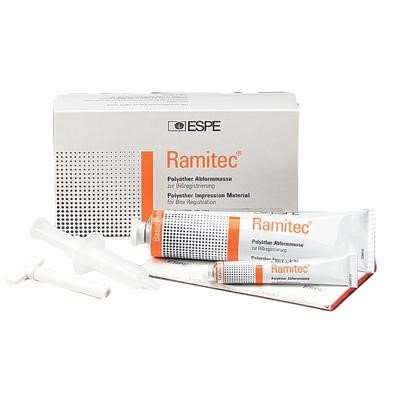
- Mostly historical use
- Good stability but brittle
- Limited application in contemporary practice
Research by Ghazal et al. (2017) demonstrated that polyvinyl siloxanes exhibited the least vertical discrepancy (0.023 mm) compared to polyether (0.038 mm) and wax (0.142 mm) after 24 hours, highlighting the superior dimensional stability of elastomeric materials.
Case Studies & Clinical Applications
Case 1: Complex Full-Mouth Rehabilitation Using CR Records
Patient Profile: 58-year-old male with severe occlusal wear, decreased vertical dimension, and symptoms of temporomandibular dysfunction.
Clinical Challenge: Establishing a reproducible condylar position for accurate articulator mounting in a patient with muscle splinting and occlusal instability.
Protocol Implemented:
- Initial deprogramming with anterior jig for 20 minutes
- Bimanual manipulation technique to guide mandible to CR
- Sectional PVS interocclusal records captured in posterior segments
- Face-bow transfer for accurate articulator mounting
- Verification using leaf gauge and second set of records 48 hours later
Outcome: Interocclusal records demonstrated high reproducibility, with <0.1mm discrepancy between sessions. The final restorations required minimal adjustment, confirming accurate transfer of the established CR position.
Key Learning: Muscle deprogramming before CR registration significantly improves record accuracy in patients with occlusal instability.
Case 2: Digital Workflow in Anterior Rehabilitation
Patient Profile: 42-year-old female requiring six anterior veneers with mild crowding and diastema.
Clinical Challenge: Capturing precise anterior guidance and excursive movements for optimal esthetic and functional outcomes.
Protocol Implemented:
- Complete arch intraoral scanning (TRIOS 3, 3Shape)
- Digital static bite registration in MI
- Dynamic motion capture of protrusive and lateral excursions
- Virtual articulation and design
- Fabrication of restorations using CAD/CAM technology
Outcome: Digital workflow produced veneers with excellent occlusal integration. Dynamic recording allowed for precise development of anterior guidance, resulting in immediate patient adaptation and no post-operative adjustments.
Key Learning: Digital dynamic recording can capture functional movements more comprehensively than static conventional records, particularly valuable for anterior restorations.
Product & Company Review
Digital Occlusal Analysis Systems
| System | Manufacturer | Key Features | Advantages | Limitations | Approximate Cost |
T-Scan 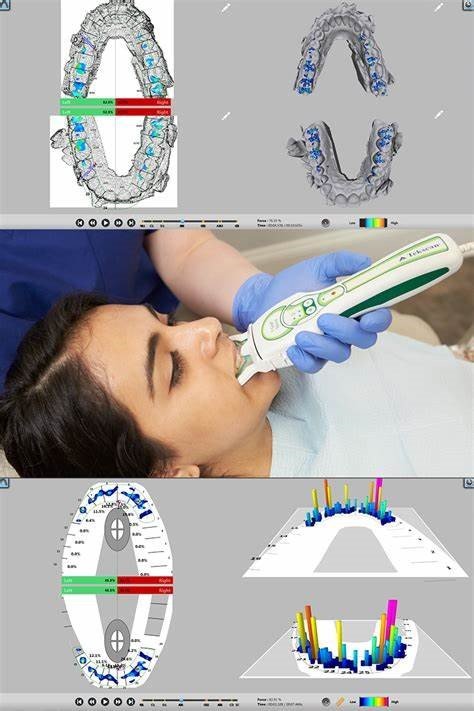 | Tekscan | Real-time occlusal force mapping, timing sequence analysis | Quantifiable data, dynamic recording capability | Learning curve, consumable costs | $10,000-15,000 |
OccluSense 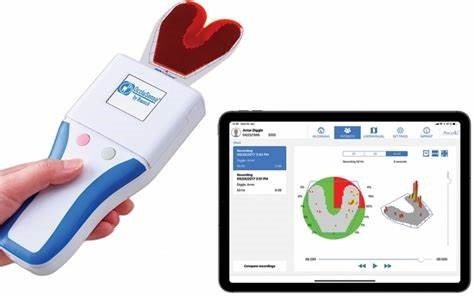 | Bausch | Wireless operation, 256 pressure levels, combination with color marking | More affordable than T-Scan, intuitive interface | Less detailed than T-Scan, limited integration | $3,000-5,000 |
| BioPak | BioResearch | EMG integration, joint vibration analysis | Comprehensive TMD evaluation | Complex system, significant training required | $15,000-25,000 |
Intraoral Scanners with Bite Registration Capabilities
| Scanner | Manufacturer | Bite Registration Features | Accuracy | Integration | Price Range |
TRIOS 4 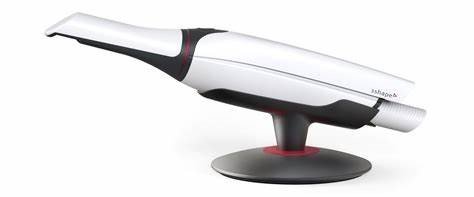 | 3Shape | Multiple bite registrations, excursive movements | ±10μm | Extensive third-party integration | $25,000-35,000 |
Primescan 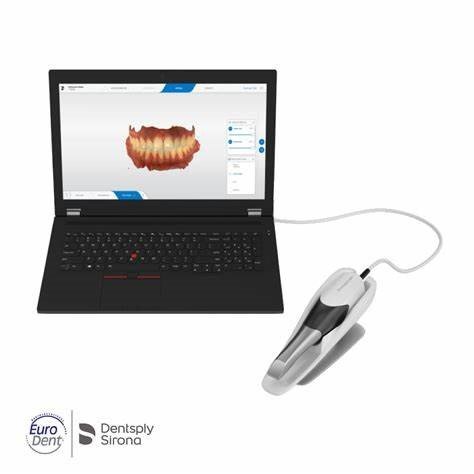 | Dentsply Sirona | True Definition bite capture, articulator integration | ±12μm | Excellent CEREC integration, limited third-party | $30,000-40,000 |
iTero Element 5D 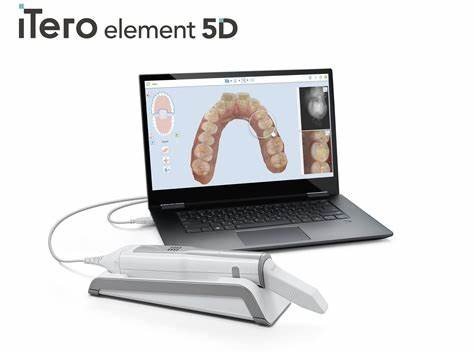 | Align Technology | Multiple bite registrations, occlusal clearance tool | ±13μm | Strong Invisalign integration | $28,000-35,000 |
Medit i700 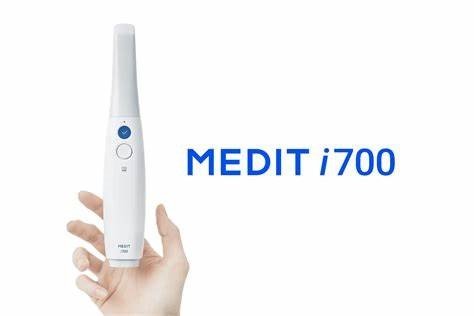 | Medit | Multiple bite captures, open architecture | ±14μm | Open system, affordable | $18,000-22,000 |
Conventional Registration Materials
| Material | Manufacturer | Type | Setting Time | Key Advantages | Best Applications |
Regisil PB 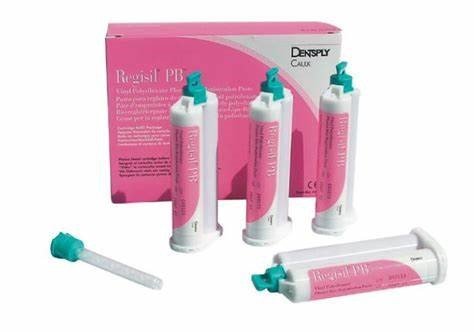 | Dentsply | PVS | 1:30 min | Excellent stability, minimal resistance | General restorative cases |
Ramitec 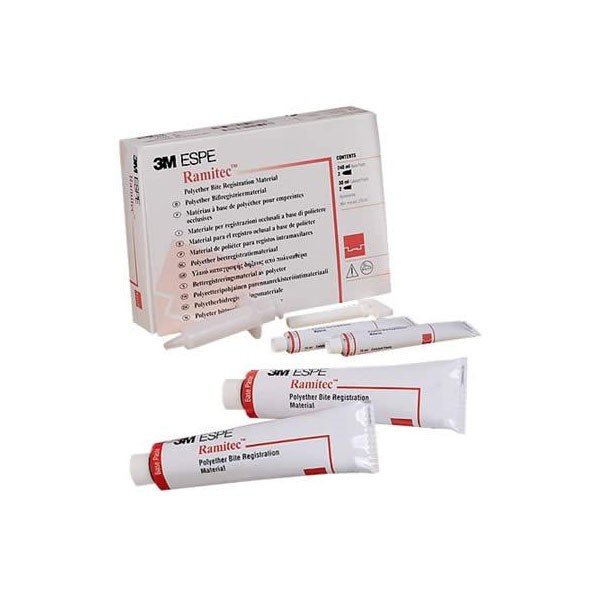 | 3M ESPE | Polyether | 2:45 min | Rigidity, hydrophilic | Full arch recordings |
LuxaBite 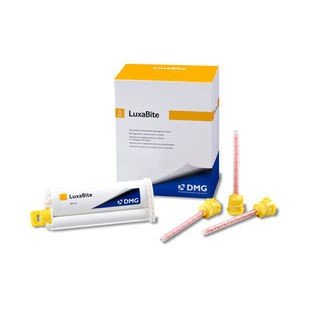 | DMG America | Bis-acryl Composite | 1:45 min | High rigidity, trimmable | Implant verification jigs |
Futar D 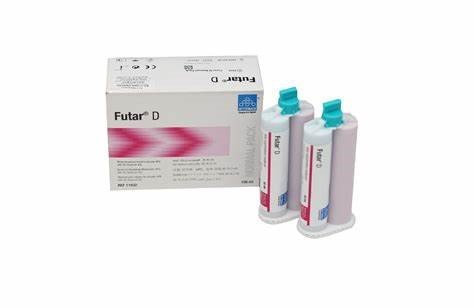 | Kettenbach | PVS | 0:30 min | Fast set, high hardness | Single-unit posterior restorations |
Research Evidence & Citations
Recent scientific literature has focused on comparing digital and conventional interocclusal recording methods, with particular emphasis on accuracy and reproducibility.
Ender et al. (2020) conducted a systematic review of 24 studies comparing digital and conventional interocclusal records, finding that while digital methods showed comparable accuracy to elastomeric materials in single-unit and quadrant cases, conventional records remained superior for full-arch rehabilitations requiring CR records. The mean discrepancy for digital records was 162μm compared to 136μm for polyvinyl siloxane materials.
A landmark study by Abdel-Azim et al. (2021) compared five different interocclusal recording materials using industrial CT scanning to measure spatial accuracy. Their findings demonstrated that:
- Material thickness significantly affects accuracy, with records >3mm showing increased distortion
- Polyvinyl siloxane and polyether materials exhibited similar accuracy when properly handled
- Temperature changes during transport had minimal effect on dimensionally stable materials
- Operator technique influenced outcomes more significantly than material selection
The clinical significance of interocclusal record accuracy was highlighted by Kim et al. (2023), who found that discrepancies exceeding 150μm consistently resulted in occlusal adjustment time exceeding 10 minutes and patient-reported discomfort during the first week of restoration delivery.
Regarding digital techniques, Mühlemann et al. (2022) demonstrated that optical scanning of interocclusal records resulted in more accurate articulator mounting compared to direct scanning of occlusal surfaces, particularly in cases with minimal occlusal contacts or edentulous areas.
Benefits, Limitations & Comparisons
Conventional vs. Digital Interocclusal Records
Conventional Record Benefits:
- Established protocols with predictable outcomes
- Tactile verification possible
- Suitable for all clinical scenarios
- No technology dependency
- Lower immediate cost
Conventional Record Limitations:
- Material dimensional changes over time
- Storage challenges
- Potential for distortion during mounting
- Limited dynamic movement recording
Digital Record Benefits:
- No physical deterioration
- Unlimited storage capability
- No material dimensional change
- Potential for dynamic recording
- Integration with digital workflow
- Multiple digital articulators possible from single record
Digital Record Limitations:
- Technology-dependent
- High initial investment
- Learning curve
- Challenging in limited visibility areas
- Less suitable for CR records requiring manipulation
Factors Affecting Interocclusal Record Accuracy
- Clinical Factors:
- Operator technique and experience
- Patient compliance and muscle activity
- Presence of saliva or blood
- Time efficiency in material handling
- Material Properties:
- Setting time and working characteristics
- Dimensional stability
- Resistance to compression
- Detail reproduction capability
- Ease of verification
- Recording Position:
- MI vs. CR recording technique
- Patient deprogramming protocol
- Vertical dimension established
- Support of recording material
- Storage and Transfer:
- Temperature control during transport
- Time between record taking and mounting
- Protection from deformation
- Verification protocol
Future Directions & Innovations
The future of interocclusal records is moving toward increased integration of digital technologies with functional analysis. Key emerging trends include:
AI-Enhanced Occlusal Analysis: Advanced algorithms are being developed to interpret occlusal contact patterns and suggest optimal adjustments based on thousands of successful cases. This machine learning approach shows promise in predicting successful occlusal schemes from pre-treatment data.
Dynamic Digital Articulators: Beyond static bite relationships, next-generation virtual articulators aim to incorporate patient-specific movement parameters. Companies like Exocad and 3Shape are developing systems that can simulate individual mandibular movements based on recorded dynamic data.
Intraoral Tracking Technologies: Miniaturized motion capture systems that directly track mandibular movement without external devices are in development. These systems promise to record actual functional movements during various activities, providing unprecedented insights into occlusal dynamics.
Material Science Advancements: Research into self-verifying materials that change color or texture when compression occurs is showing promise for conventional records. These materials would provide immediate feedback on record accuracy prior to mounting.
Integration with Digital Smile Design: The combination of accurate interocclusal records with esthetic planning platforms is creating comprehensive digital treatment planning environments where function and esthetics can be simultaneously optimized.
For optimal outcomes, clinicians should:
- Select interocclusal record materials based on the specific clinical scenario rather than personal preference alone
- Implement verification protocols to confirm record accuracy before proceeding with restoration fabrication
- Consider a hybrid approach, utilizing digital technologies for data capture while maintaining sound occlusal principles
- Invest in ongoing education regarding both traditional concepts and emerging technologies
As digital dentistry continues to evolve, the integration of accurate interocclusal records with comprehensive diagnostic data will enable increasingly predictable and patient-specific restorative outcomes. The future lies not in choosing between conventional or digital methods, but in leveraging the strengths of each approach to optimize functional and esthetic results.
References & Additional Resources
- Ender A, Attin T, Mehl A. (2020). “Accuracy of complete-arch dental impressions: A new method of measuring trueness and precision.” Journal of Prosthetic Dentistry, 124(3), 355-362.
- Abdel-Azim T, Zandinejad A, Lin W. (2021). “Comparison of the dimensional accuracy of interocclusal recording materials: A systematic review.” Journal of Prosthodontics, 30(2), 134-142.
- Kim J, Park C, Lee H. (2023). “Clinical implications of interocclusal record accuracy on patient satisfaction with fixed dental prostheses.” Journal of Advanced Prosthodontics, 15(1), 23-31.
- Ghazal M, Albashaireh ZS, Kern M. (2017). “The influence of storage time on the accuracy of elastomeric materials for bite registration.” Journal of Contemporary Dental Practice, 18(2), 127-132.
- Mühlemann S, Greter EA, Park JM, Hämmerle CH, Thoma DS. (2022). “Digital versus conventional workflow for posterior implant crowns: A prospective randomized controlled trial.” Clinical Oral Implants Research, 33(5), 479-490.
- Swenson AT, Ohrn K, Jemt T. (2019). “A randomized controlled clinical trial comparing digital and conventional impressions for full-crown restorations.” Journal of Dentistry, 79, 24-31.
- American College of Prosthodontists. (2023). “Digital Dentistry Guidelines.” https://www.prosthodontics.org/digital-dentistry-guidelines/
- Journal of the American Dental Association Special Issue. (2021). “Digital Workflows in Contemporary Dentistry.” Volume 152, Issue 6.