
Dynamic Abutments and Angled Screw Channels: Digital Planning and Clinical Limits
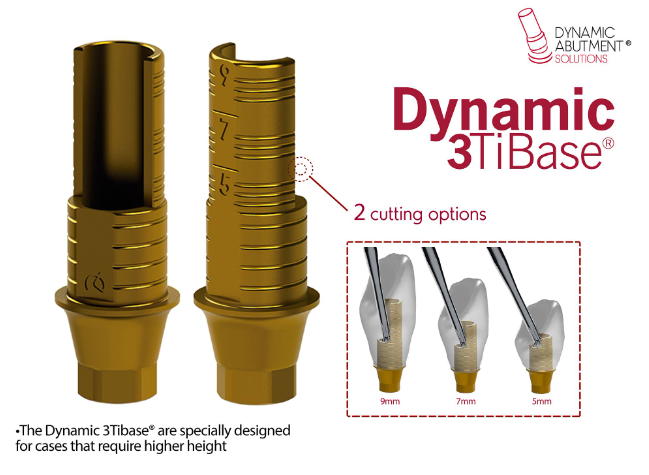
What does an angled screw-channel component actually change? Angled screw-channel components can relocate prosthetic screw access when a straight access channel would compromise the restoration. They must be selected for the specific implant connection and restorative design. Digital jaw-motion records can inform functional planning, but recording movement is not the same as measuring occlusal force. This overview separates these functions and outlines the limits of available evidence.
Separate access geometry from jaw movement
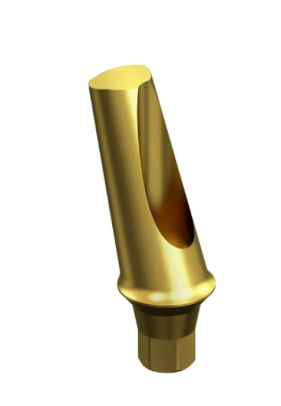
Complex implant restorations require attention to prosthetic access, fit, restorative space and occlusion. An angled screw-channel system changes the access direction used to engage the prosthetic screw; it should not be confused with a joint that continuously adjusts after delivery. An angled abutment and an angled screw channel are not interchangeable terms. Neither automatically improves implant stability or load distribution.
What should the dentist and laboratory verify?
- Plan with the correct implant library and compatible components.
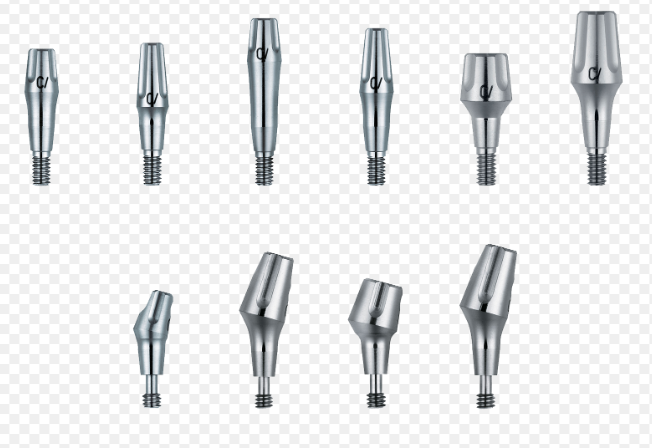
- Check the manufacturer’s allowed angle, screw and driver combination, restorative dimensions and tightening instructions for the exact component.
- Confirm the intended restorative access, fit, occlusion and maintenance plan independently.
- Identify whether any digital record measures movement, contact or force before using it in the treatment plan.
These are DDS educational interpretations of component documentation and measurement limitations. Angulation limits vary with the system and component geometry; one value should not be applied across every connection.
Which clinical applications are supported by the design?
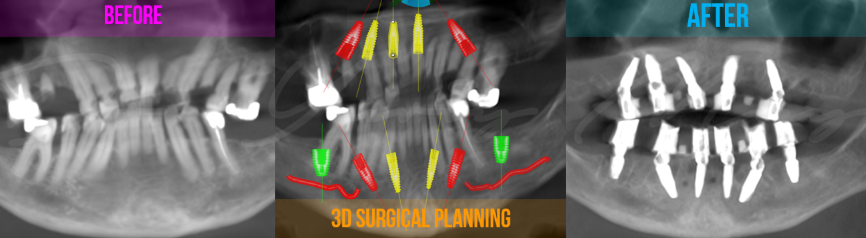
In a restoration with an unfavorable screw-access position, an approved angled screw-channel solution may improve where the access opening emerges. Full-arch and crossbite cases still require case-specific restorative and occlusal assessment. These examples are planning considerations, not reported clinical cases or proof of longer implant survival.
What does the manufacturer describe?
Dynamic Abutment Solutions describes a system comprising a Dynamic TiBase, matched screw and driver, scan bodies and digital libraries. Permitted screw-entry correction varies with the particular component and gingival height. Verify the current catalog and instructions rather than applying one angulation or torque value to every implant connection. The screw and driver documentation is part of that compatibility check.
Does digital tracking establish force optimization?
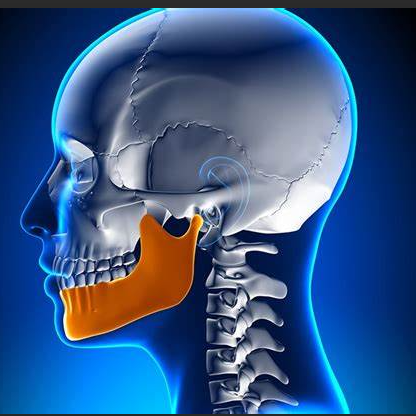
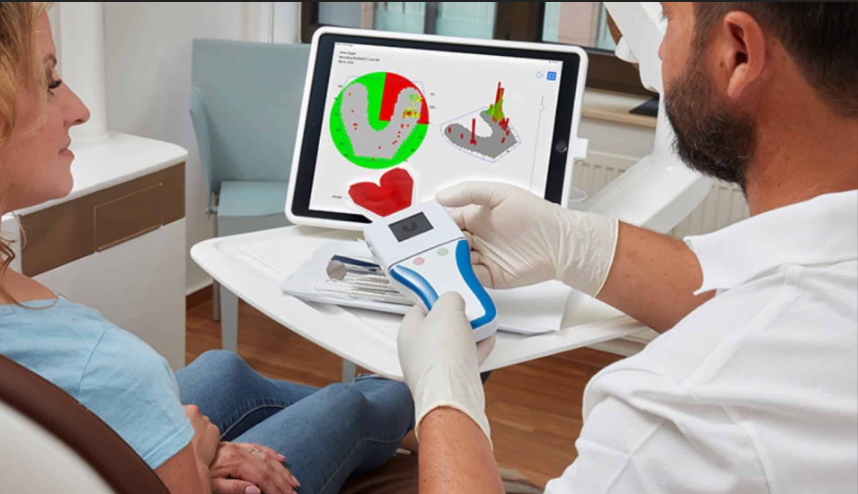
Jaw-tracking systems record mandibular movement and may export these records to CAD/CAM software. The Zebris JMA-Optic hardware manual describes optical mandibular-movement acquisition. Claims about force, AI prediction or reduced mechanical failure require separate validation.
How far can the research be applied?
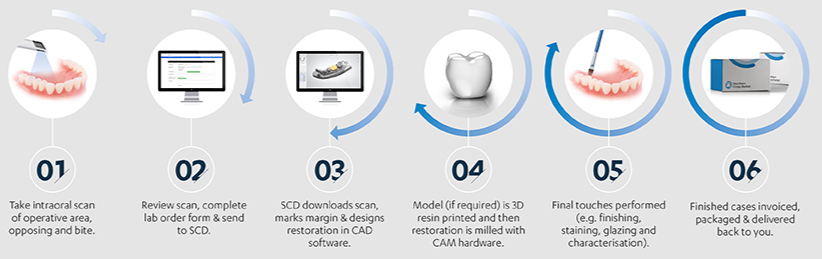
A randomized clinical trial compared angulated screw-retained and cemented single-implant crowns in the esthetic region over one year. Its setting should not be extrapolated to full-arch rehabilitation or AI-guided force optimization. In-vitro testing of angled abutments has also shown that mechanical behavior depends on connection design and angulation; such tests do not establish clinical survival.
Benefits, limitations and practical conclusions
The practical advantage is restorative screw-access flexibility within a validated system. Compatibility, restorative thickness, access geometry and screw/driver requirements constrain its use. It is not appropriate to claim that standard abutments cause overload or that angulation routinely reduces implant stress. Clinical occlusal assessment remains necessary, with digital records used as additional information.
Integration of jaw-motion data and digital restorative planning continues to develop. Proposed AI predictions need clinical validation before they can be presented as established improvements in implant outcomes. Use compatible components within manufacturer instructions and assess fit, occlusion and maintenance independently. Digital motion capture does not, by itself, demonstrate force optimization or lower failure risk.
Sources and manufacturer documentation
- Lv and colleagues. Clinical, radiographic, and immunological evaluation of angulated screw-retained and cemented single-implant crowns in the esthetic region: a one-year randomized controlled clinical trial. 2021.
- Hein and colleagues. Influence of abutment angulation on loss of prosthetic abutment torque under mechanical cycling. 2021.
- Dynamic Abutment Solutions: Dynamic TiBase documentation.
- Dynamic Abutment Solutions: screw and driver compatibility.
- Zebris JMA-Optic hardware manual.