
Digital Innovation in Maxillofacial Prosthetics: CAD/CAM Implant-Retained Velopharyngeal Closure for Cleft Palate Management
Digital manufacturing can be used in selected maxillofacial prosthetic workflows. For velopharyngeal dysfunction, the important questions remain the cause of the functional problem, the patient’s anatomy and the clinical performance of the proposed prosthesis. A digital workflow should not be presented as a guarantee of better speech or long-term success.
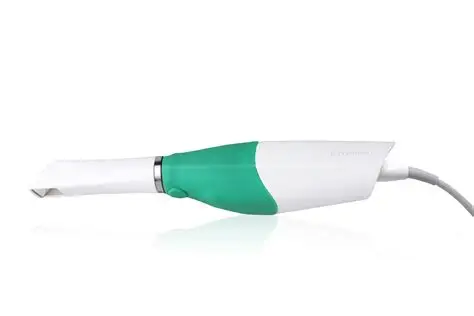
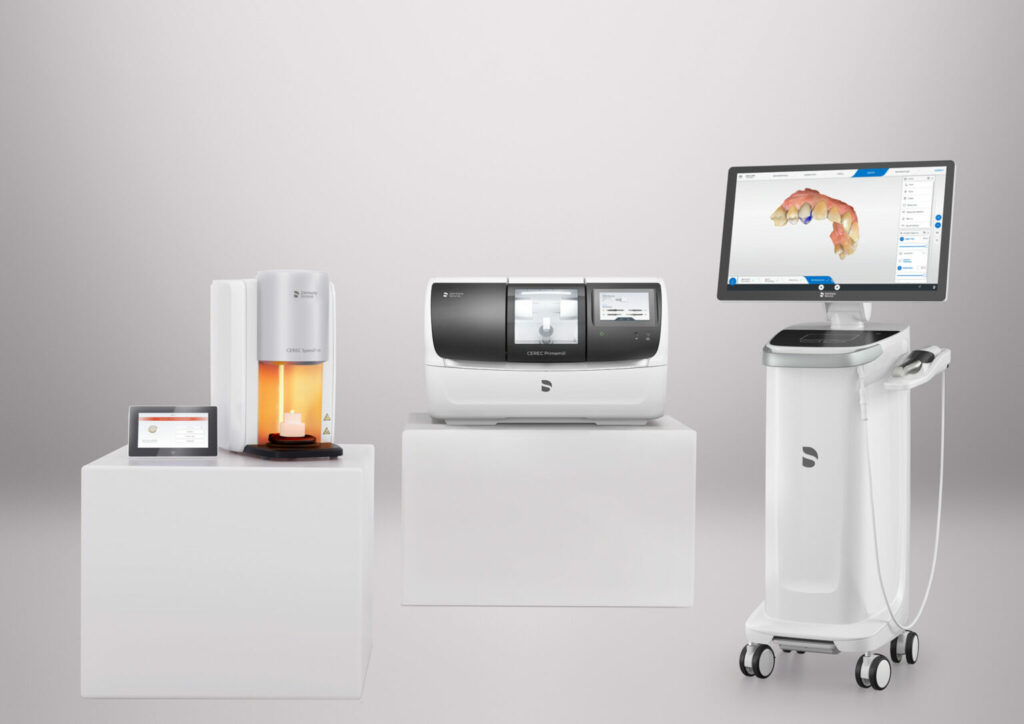
The images provide visual context. The published case summary below is based on the cited abstract; the images are not attributed to that patient.
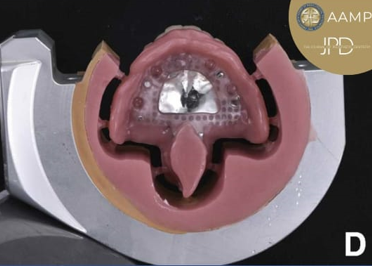
Start with the functional diagnosis
Velopharyngeal dysfunction describes problems with closure between the oral and nasal cavities. Structural insufficiency, neuromotor dysfunction and learned speech errors require different assessment and management. ASHA describes prosthetic options including palatal obturators, speech bulbs and palatal lifts. Selection should follow assessment by the appropriate cleft/craniofacial and speech team, rather than a choice of scanner or design software alone. ASHA: cleft lip and palate.
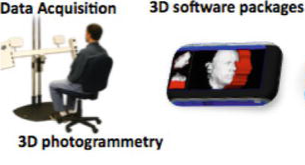

Keep assessment and manufacturing distinct
A design file describes a proposed prosthesis. It cannot, by itself, demonstrate successful speech or swallowing. Clinical evaluation and the patient’s response remain necessary. ASHA distinguishes management of structural problems from treatment of learned speech errors; a prosthetic intervention and speech therapy should therefore not be described as interchangeable treatments. ASHA: resonance disorders.
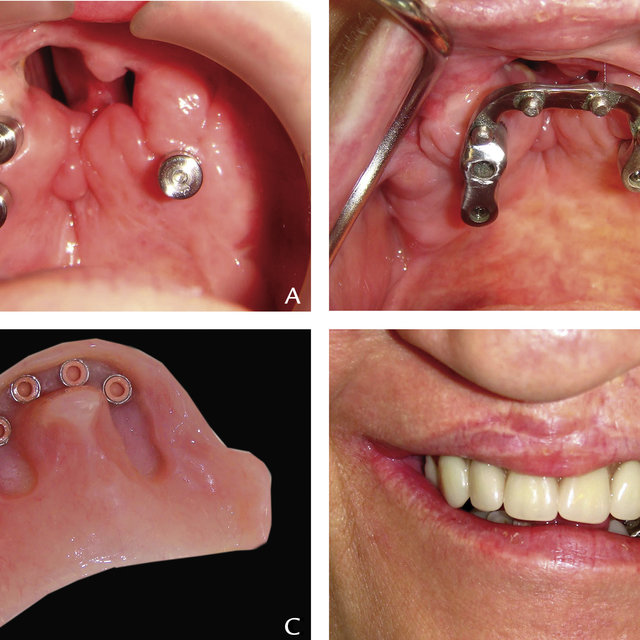
What a published digital clinical report shows
Park and Yeo reported an implant-retained overdenture incorporating a pharyngeal speech aid for one patient with a nonsurgically treated cleft palate. Their workflow used the Ivotion Denture System, subtractive manufacturing, metal reinforcement and magnetic retention. The abstract reports improvements in chewing, swallowing and esthetics at six months. Read the indexed clinical-report abstract.
This single-patient report supports feasibility in a selected patient; it does not establish comparative superiority or long-term outcomes. This summary reflects the published abstract.
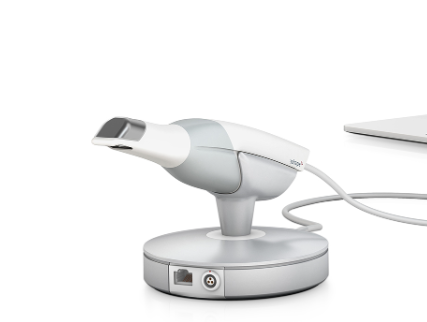
Questions to document before adopting a workflow
- What is the patient’s diagnosed functional problem, and which specialists are involved?
- Which parts of the process are digital, and which require clinical verification?
- What outcome measures and follow-up are documented in the supporting publication?
- Are the proposed materials, equipment and manufacturing process suitable for the intended device?
Evidence and further reading
- Park JH, Yeo ISL. Digitally designed and milled implant-retained maxillofacial prosthesis for velopharyngeal closure in a patient with a nonsurgically treated cleft palate: A clinical report. J Prosthet Dent. 2025;133(3):908–914. doi:10.1016/j.prosdent.2024.06.007. Abstract-level summary above.
- ASHA Practice Portal: Cleft Lip and Palate.
- ASHA Practice Portal: Resonance Disorders.
Educational overview. Individual treatment requires assessment by the treating clinical team.