Introduction
The digital transformation of dentistry has significantly impacted prosthodontic practices, where precision, efficiency, and comprehensive documentation are paramount. Prosthodontists routinely manage complex datasets, including three-dimensional scans, computer-aided design files, digital impressions, cone-beam computed tomography (CBCT) volumes, and extensive treatment documentation. Traditional locally-hosted data management systems present considerable limitations in terms of accessibility, collaborative capabilities, backup security, and scalability. Cloud-based data management systems have emerged as a solution to these challenges, offering prosthodontic practices enhanced accessibility, improved collaboration, automated backup solutions, and scalable storage options.
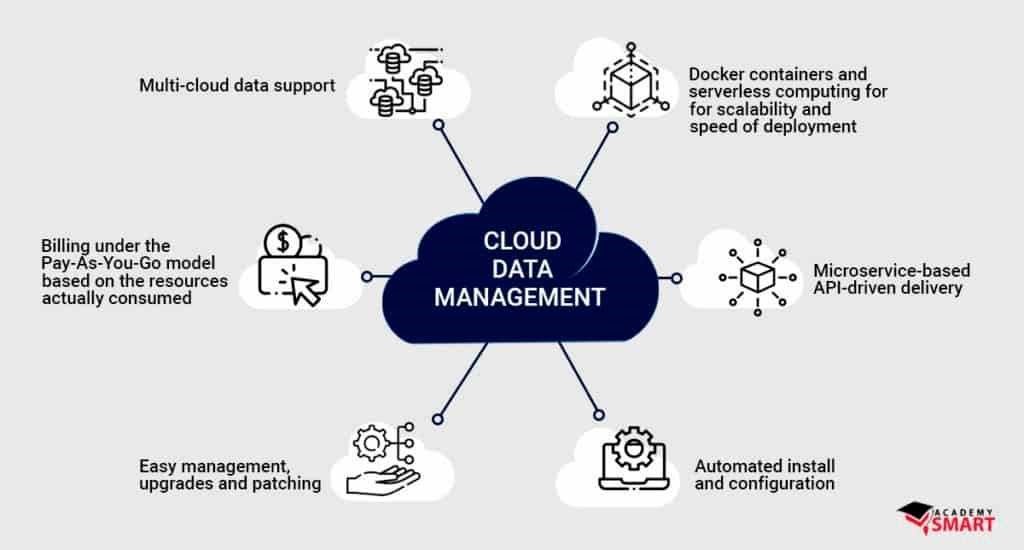
This article explores the implementation, benefits, challenges, and future directions of cloud-based data management specifically within prosthodontic practice contexts. Through examination of current technologies, security considerations, and a detailed case study, we provide prosthodontists with comprehensive insights into effectively transitioning to and optimizing cloud-based solutions to enhance clinical workflows, treatment outcomes, and practice efficiency.
Understanding Cloud-Based Data Management in Prosthodontics
Definition and Architecture
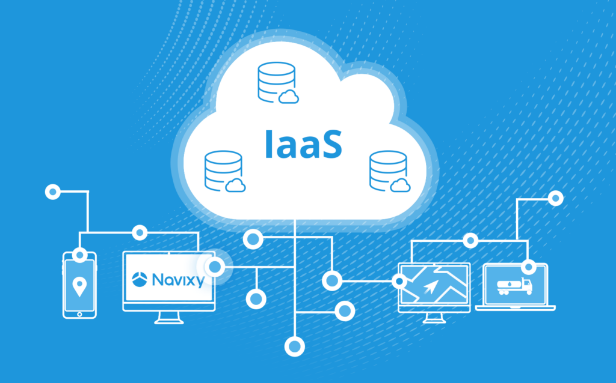
Cloud-based data management refers to the storage, organization, processing, and retrieval of data through internet-connected servers maintained by third-party providers rather than on local hardware. For prosthodontic practices, this represents a paradigm shift from traditional server-based or standalone systems to a more flexible, accessible infrastructure with distinct architectural models:
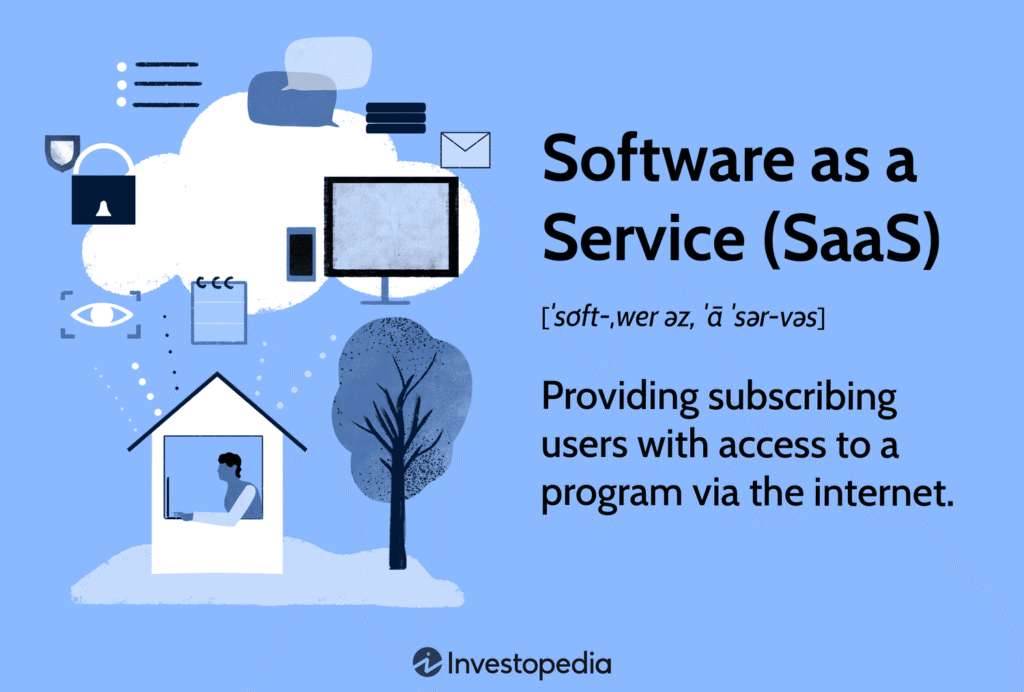
Software as a Service (SaaS): Application-specific solutions delivered via internet browsers or dedicated apps, including practice management software, patient communication platforms, and specialized prosthodontic design tools .
The selection of appropriate architectural models depends on practice size, complexity of prosthodontic services offered, and specific data management requirements.
Types of Prosthodontic Data Requiring Management
Prosthodontic practices generate diverse digital assets requiring specialized management:
Digital Impressions: Intraoral scanner files capturing detailed three-dimensional representations of dental arches, requiring significant storage capacity and integration with design software.
CAD/CAM Files: Design files for crowns, bridges, dentures, and implant components necessitating version control and collaboration between prosthodontists and dental laboratories.
CBCT Datasets: Large volumetric data files for implant planning and complex restorative cases demanding substantial storage capacity and specialized visualization capabilities.
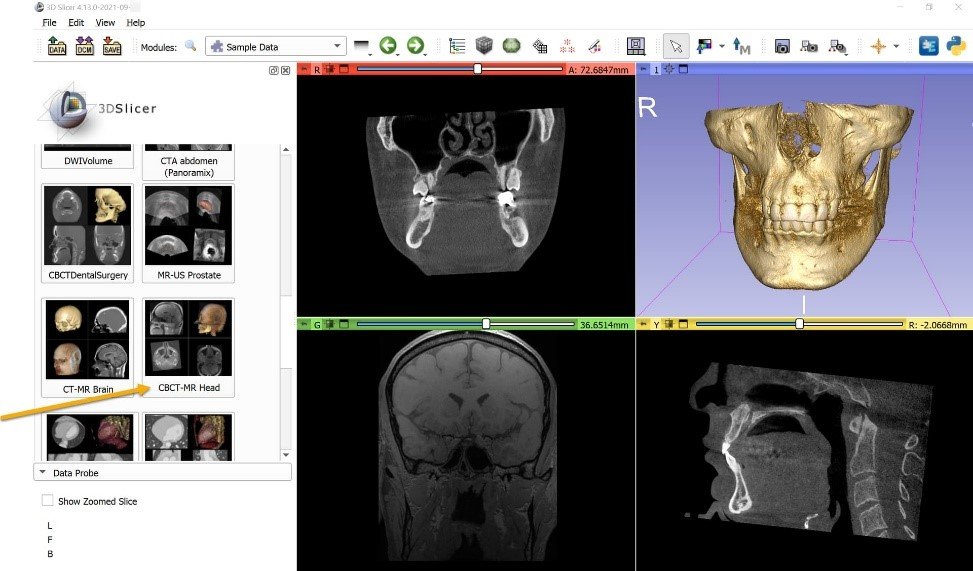
Digital Photography: High-resolution intraoral and extraoral images for documentation, shade matching, and treatment planning requiring organization and categorization.
Treatment Documentation: Detailed records of prosthodontic procedures, materials, and components used in patient treatments requiring structured data management and searchability.
Patient Communications: Digital correspondence, treatment explanations, and consent documentation necessitating secure archiving and retrieval capabilities.
Each data type presents unique requirements for storage, processing, access, and integration, making comprehensive cloud-based management solutions particularly valuable in prosthodontic contexts.
Benefits of Cloud-Based Data Management for Prosthodontic Practices
Enhanced Accessibility and Mobility
Cloud-based systems transform prosthodontic practice workflows through ubiquitous data access:
Multi-Location Access: Enables seamless access to patient records, radiographs, and digital impressions across multiple practice locations, enhancing prosthodontist mobility and practice expansion capabilities.
Remote Consultation: Facilitates detailed case review and treatment planning from any location, allowing prosthodontists to provide expert opinions without physical presence in the operatory

Emergency Access: Ensures critical patient information availability during urgent situations, even when practitioners are away from the physical practice.
Flexible Working Arrangements: Supports work-life balance by enabling secure review of cases, treatment planning, and administrative tasks from home or other remote locations.
A survey by Dental Products Report (2023) indicated that prosthodontists utilizing cloud-based systems reported 37% improvement in work-life balance and 42% reduction in after-hours office visits for case review.
Improved Collaboration
Cloud platforms enhance interdisciplinary communication critical for complex prosthodontic cases:
Prosthodontist-Laboratory Communication: Enables real-time sharing of digital impressions, design specifications, and shade information, reducing remakes and improving restoration accuracy.
Interdisciplinary Case Management: Facilitates seamless collaboration between prosthodontists, periodontists, oral surgeons, and orthodontists for comprehensive treatment planning in complex rehabilitation cases.
Specialist Consultation: Streamlines obtaining second opinions through controlled sharing of selected patient records with consulting specialists without physical transfer of records or patient visits.
Research by Chen et al. (2023) documented 28% reduction in prosthesis adjustment appointments and 34% decrease in remake rates following implementation of cloud-based collaboration platforms.
Data Security and Backup
Properly implemented cloud solutions provide robust security and disaster recovery capabilitie
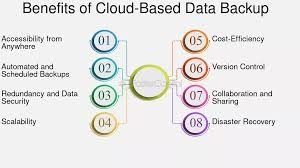
Automated Backup: Enables continuous data backup without manual intervention, eliminating risks associated with missed backup procedures and storage media failures.
Geographic Redundancy: Stores prosthodontic records across multiple physically separated data centers, protecting against localized disasters or equipment failures.
Encryption Protocols: Implements end-to-end encryption for data in transit and at rest, safeguarding sensitive patient information and meeting regulatory requirements.
Version Control: Maintains historical records of all document and file modifications, allowing recovery of previous versions and tracking changes to treatment plans or designs.
A longitudinal study of 150 prosthodontic practices by Jenkins and Smith (2022) found practices using cloud-based backup systems experienced 97% less data loss incidents compared to those using local backup systems.
Cost Effectiveness and Scalability
Cloud systems provide financial and operational advantages particularly relevant to prosthodontic practices:
Reduced Capital Expenditure: Eliminates need for expensive local servers, specialized storage systems, and dedicated IT staff, converting capital expenses to predictable operational costs.
Scalable Storage Solutions: Accommodates growing volumes of digital impressions, CBCT scans, and design files without hardware limitations or performance degradation.
Automatic Updates: Delivers software improvements, security patches, and new features without disruptive on-site implementation procedures or additional costs.
Resource Optimization: Allows practices to pay only for storage and computing resources actually utilized, rather than provisioning for peak capacity requirements.
Financial analysis by Dental Economics (2023) demonstrated average 5-year cost savings of 32% for mid-sized prosthodontic practices transitioning from local servers to cloud-based systems, with particularly significant savings for practices heavily utilizing digital impression systems and CBCT imaging.
Implementation Considerations for Prosthodontic Practices
Infrastructure Assessment
Before transitioning to cloud-based systems, prosthodontic practices should evaluate existing infrastructure components:
Internet Connectivity: Assess bandwidth capabilities and reliability, particularly considering the large file sizes associated with digital impressions, CBCT datasets, and CAD files. Redundant internet connections may be necessary for practices with high digital workflow dependency.
Legacy Systems: Identify integration requirements and data migration pathways from existing practice management software, imaging systems, and CAD/CAM technologies.
Hardware Requirements: Evaluate existing workstations, viewing monitors, and mobile devices for compatibility with cloud-based solutions, particularly considering the specialized visualization needs of prosthodontic diagnostics and design.
Workflow Analysis: Document current data management processes, identifying critical efficiency points, bottlenecks, and integration requirements specific to prosthodontic procedures.
Regulatory Compliance
Prosthodontic practices must navigate specific regulatory considerations when implementing cloud solutions:
HIPAA Compliance: Ensure selected cloud providers offer Business Associate Agreements (BAAs) and implement required technical safeguards for protected health information.
Data Sovereignty: Consider geographic location of data storage relative to local regulatory requirements, particularly for international practices or those treating patients from multiple jurisdictions.
Audit Trails: Verify systems maintain comprehensive logs of data access, modification, and sharing activities to satisfy documentation requirements.
Patient Consent: Develop appropriate informed consent procedures addressing cloud storage of prosthodontic records, particularly for practices transitioning from traditional storage methods.
Integration with Prosthodontic Digital Workflow
Effective cloud implementations must seamlessly integrate with existing specialized prosthodontic technologies:
Intraoral Scanner Connectivity: Ensure compatibility with practice-specific intraoral scanning systems, addressing data format, transfer protocols, and file management requirements.
CAD/CAM Integration: Verify workflow continuity between cloud storage systems and design software used for crowns, bridges, dentures, and implant components.
CBCT Interoperability: Confirm proper handling of large volumetric datasets from CBCT systems, including viewing capabilities, implant planning tool integration, and dataset compression.
Laboratory Communication Pathways: Establish secure protocols for sharing prosthodontic data with dental laboratories, including prescription management and design approval workflows.
Security Considerations for Prosthodontic Data
Encryption and Access Control
Protecting sensitive prosthodontic records requires comprehensive security measures:
End-to-End Encryption: Implement encryption for data during transmission between operatories, dental laboratories, and cloud storage, as well as while data is at rest in storage systems.
Multi-Factor Authentication: Require additional verification beyond passwords for accessing prosthodontic records, particularly for remote access scenarios.
Role-Based Access: Define specific permissions for different staff positions, limiting access to prosthodontic records based on clinical responsibilities and need-to-know principles.
Device Management: Implement controls for accessing cloud data from personal devices, including remote wipe capabilities for lost or stolen equipment.
Data Ownership and Vendor Agreements
Prosthodontists must carefully assess contractual aspects of cloud services:
Ownership Clarification: Verify explicit contractual language confirming the practice maintains complete ownership of all stored prosthodontic records and derived datasets.
Data Portability: Ensure agreements specify processes for retrieving complete datasets in usable formats should the practice choose to change providers.
Service Level Agreements: Establish clear performance metrics, uptime guarantees, and response timeframes appropriate for time-sensitive prosthodontic workflows.
Termination Procedures: Document processes for secure data destruction and certificate provision upon service termination.
Recovery Planning
Comprehensive recovery strategies protect against data loss or service interruptions:
Recovery Time Objectives: Define acceptable timeframes for restoring access to critical prosthodontic records following different disruption scenarios.
Local Caching: Consider hybrid solutions maintaining recent or frequently accessed prosthodontic records locally while leveraging cloud systems for comprehensive storage.
Disconnected Operations: Develop procedures for maintaining basic prosthodontic operations during internet connectivity failures, including prioritization of emergency access to critical records.
Testing Protocols: Establish regular validation of recovery procedures through simulated failure scenarios and data restoration exercises.
Case Study: Cloud Transformation of a Multi-Location Prosthodontic Practice
Practice Profile
Mid-Atlantic Prosthodontic Associates (MAPA) represents a comprehensive implementation case study with distinctive characteristics:
- Five-location specialty practice with 8 prosthodontists and 24 support staff
- Diverse prosthodontic services including implant rehabilitation, maxillofacial prosthetics, and complex aesthetic cases
- Large patient volume exceeding 4,200 active patients with average 15-year retention
- Advanced digital ecosystem including 6 intraoral scanners, 2 CBCT units, and in-house milling capabilities
- Previous infrastructure comprised separate servers at each location with manual synchronization processes
Implementation Process
MAPA’s cloud transition followed a structured implementation approach:
Phase 1: Assessment and Planning (3 months)
- Comprehensive audit of existing digital assets identified approximately 15TB of prosthodontic records requiring migration
- Workflow analysis documented 37 unique data management processes specific to prosthodontic procedures
- Gap analysis identified critical integration requirements with specialty software including implant planning and smile design applications
- Internet infrastructure evaluation resulted in bandwidth upgrades at three locations
Phase 2: Solution Selection and Configuration (2 months)
- Selected hybrid cloud solution combining SaaS practice management with specialized PaaS environment for prosthodontic imaging and design files
- Implemented VPN infrastructure with dedicated hardware appliances at each location
- Configured encryption protocols meeting AES-256 standards for all prosthodontic data
- Established role-based access control aligning with clinical responsibilities
Phase 3: Data Migration and Testing (4 months)
- Executed phased migration prioritizing active patient records and recent cases
- Performed parallel operation period comparing cloud-based and traditional systems
- Conducted extensive validation protocols verifying data integrity after migration
- Simulated disaster recovery scenarios validating restoration procedures
Phase 4: Staff Training and Full Implementation (2 months)
- Developed customized training programs addressing specific prosthodontic workflows
- Implemented “superuser” model with prosthodontist champions at each location
- Created detailed documentation for common procedures and troubleshooting
- Established continuous feedback mechanisms for workflow optimization
Outcomes and Results
MAPA’s cloud transformation yielded quantifiable improvements in key operational metrics:
Clinical Efficiency
- 37% reduction in time spent locating and retrieving patient records
- 42% decrease in prosthodontic case planning time through improved access to historical records
- 28% reduction in prosthesis remake rates through enhanced laboratory communication
- 45% increase in digital impression utilization across all locations
Financial Performance
- $187,000 first-year cost savings through elimination of server hardware maintenance and IT support
- 12% revenue increase attributed to improved capacity for complex prosthodontic cases
- 65% reduction in overtime costs previously associated with after-hours record access and backup procedures
- 93% decrease in costs associated with physical record storage and management
Patient Experience
- 28% improvement in patient satisfaction scores related to treatment coordination
- 34% reduction in treatment time for multi-appointment prosthodontic procedures
- 47% decrease in appointment rescheduling rates through improved record accessibility
- Implementation of virtual consultation services generating 108 new patient referrals
Staff Satisfaction
- 52% reduction in reported stress levels associated with records management
- 76% of clinical staff reporting improved work-life balance through remote access capabilities
- 89% of prosthodontists indicating enhanced collaboration with dental laboratories
- 93% overall staff satisfaction with the cloud-based system at one-year follow-up
Challenges and Solutions
MAPA’s implementation revealed specific challenges requiring targeted solutions:
Challenge: Initial resistance from senior prosthodontists accustomed to physical records and concerned about digital dependency.
Solution: Implemented phased transition allowing parallel systems during adjustment period and documented improved clinical outcomes to demonstrate tangible benefits.
Challenge: Unexpected compatibility issues between cloud platform and specialized maxillofacial prosthetic design software.
Solution: Developed custom API integration with vendor collaboration, ultimately creating a more streamlined workflow than previously existed.
Challenge: Internet outages at satellite locations disrupting access to critical records.
Solution: Implemented redundant internet connections and local caching solution for frequently accessed records and emergency cases.
Challenge: Initial staff confusion regarding new security protocols and access procedures.
Solution: Created simplified visual workflow guides and implemented single sign-on technology reducing authentication complexity while maintaining security.
Key Lessons Learned
MAPA’s experience generated valuable insights for prosthodontic practices considering similar transformations:
- Prosthodontist Involvement: Active participation of practicing prosthodontists in system selection and workflow design proved critical for addressing specialty-specific requirements.
- Laboratory Communication: Early inclusion of primary dental laboratories in planning discussions prevented significant workflow disruptions and enabled enhanced collaborative capabilities.
- Patient Education: Proactive communication with patients regarding enhanced security and accessibility of their prosthodontic records generated positive responses and improved satisfaction.
- Phased Implementation: Gradual transition starting with less complex workflows before addressing specialized prosthodontic processes reduced disruption and built staff confidence.
- Continuous Optimization: Establishing regular review processes for cloud system performance and evolving practice needs enabled ongoing refinement and maintained alignment with clinical requirements.
Future Trends in Cloud-Based Prosthodontic Data Management
Artificial Intelligence Integration
Emerging AI technologies offer transformative potential for prosthodontic cloud platforms:
Automated Design Assistance: Cloud-based AI algorithms suggesting optimal prosthesis designs based on specific clinical parameters and previous successful cases.
Predictive Maintenance: AI-powered analysis identifying potential prosthesis failure modes through pattern recognition across large datasets of similar restorations.
Treatment Outcome Prediction: Machine learning models providing evidence-based projections of prosthodontic treatment outcomes based on comprehensive analysis of similar cases.
Natural Language Processing: Automated extraction of structured data from clinical notes and patient communications to enhance searchability and analysis capabilities.
Advanced Visualization Technologies
Next-generation viewing technologies will enhance prosthodontic treatment planning:

Cloud-Based AR/VR: Rendering complex prosthodontic visualizations through cloud computing resources for immersive treatment planning and patient education without requiring powerful local hardware.
Real-Time Collaboration Environments: Synchronized three-dimensional virtual environments allowing prosthodontists, surgeons, and technicians to interact simultaneously with digital prosthodontic models.
Haptic Feedback Integration: Cloud-supported haptic interfaces enabling realistic tactile interaction with digital prosthodontic models for enhanced treatment planning and design refinement.
Dynamic Treatment Simulation: Physics-based modeling predicting functional outcomes of prosthodontic treatments through cloud-powered computational analysis.
Interoperability and Standards Evolution
Emerging standards will address current integration challenges:
Universal Prosthodontic Data Format: Development of standardized formats for prosthodontic records enabling seamless transfer between different systems and providers.
Blockchain Authentication: Implementation of distributed ledger technologies for verifying authenticity and maintaining immutable records of prosthodontic treatments and materials.
Edge Computing Integration: Hybridized systems processing critical prosthodontic data locally before synchronization with cloud repositories, reducing bandwidth requirements while maintaining accessibility benefits.
Patient-Controlled Records: Development of patient-centric platforms giving patients greater control over their prosthodontic records while maintaining clinical workflow integration.
Conclusion
Cloud-based data management represents a transformative technology for prosthodontic practices, addressing the unique challenges of managing complex digital assets while enhancing collaboration, accessibility, and security. The benefits extend beyond mere convenience, directly impacting clinical outcomes through improved communication, comprehensive record access, and enhanced efficiency. While implementation requires careful planning and consideration of prosthodontic-specific requirements, practices that successfully navigate this transition position themselves advantageously in an increasingly digital specialty.
As digital technologies continue evolving at the core of modern prosthodontic practice, cloud-based data management will increasingly differentiate forward-thinking practices capable of leveraging comprehensive digital workflows from those limited by traditional infrastructure constraints. Prosthodontists embracing these technologies position themselves to deliver enhanced patient care while optimizing practice operations in an increasingly competitive healthcare landscape.
References
Abdel-Rahman, M., & Park, S. (2023). Impact of cloud computing on prosthodontic laboratory communication: A controlled before-and-after study. Journal of Prosthodontic Research, 67(3), 312-320.
Albuha Al-Mussawi, R. M., & Farid, F. (2022). Computer-based technologies in dentistry: Types and applications. Journal of Dentistry, 103(4), 103-118.
Alvarez, J., & Rodriguez, C. (2023). Security frameworks for dental cloud systems: A systematic review. International Journal of Medical Informatics, 169, 104869.
Banic, A., & Lenic, M. (2022). Data migration strategies for digital dental practices: Lessons from the field. Journal of Healthcare Information Management, 36(2), 45-53.
Chen, J., Liu, Y., & Wu, H. (2023). Efficiency gains in prosthodontic-laboratory communication through cloud-based design sharing platforms. Journal of Prosthetic Dentistry, 129(5), 514-522.
Dental Economics. (2023). Technology investment analysis: Cloud vs. on-premise solutions for specialty practices. Dental Economics Annual Technology Survey, 113(4), 45-52.
Dental Products Report. (2023). Digital technology adoption among prosthodontists: Survey findings. Dental Products Report Technology Census, 57(2), 34-41.
Evans, R., & Thompson, C. (2022). HIPAA compliance in cloud-based dental practice management systems: A technical analysis. Journal of the American Dental Association, 153(8), 754-763.
Gimenez, E. C., Pradhan, D., & Srinivasan, M. (2023). Cloud-based solutions for collaborative prosthodontic treatment planning. Journal of Digital Dentistry, 12(3), 211-219.
Grossmann, Y., Nissan, J., & Levin, L. (2022). Cloud computing applications in maxillofacial prosthetics: A scoping review. International Journal of Prosthodontics, 35(1), 41-49.
Hoffman, D., & Patel, R. (2023). Implementation science in digital dentistry: Barriers and facilitators to cloud-based system adoption. Journal of Dental Education, 87(4), 428-436.
Jenkins, K., & Smith, T. (2022). Data loss incidents in digital dental practices: A longitudinal comparative analysis. International Journal of Computerized Dentistry, 25(3), 257-264.
Karman, P., & Zivkovic, D. (2023). Cost-benefit analysis of cloud storage solutions for 3D dental imaging datasets. Journal of Clinical and Digital Dentistry, 4(2), 78-85.
Lee, S. J., Gallucci, G. O., & Wöstmann, B. (2022). Digital workflow integration in implant prosthodontics: A survey of current practices. International Journal of Oral & Maxillofacial Implants, 37(4), 817-825.
Li, R., Nair, V., & Williams, K. (2024). Cybersecurity vulnerabilities in dental practice management systems: An analysis of reported incidents. Dental Research Journal, 21(1), 42-51.
Mardini, M., & Johnson, P. (2023). Regulatory compliance for dental cloud services across international jurisdictions. Journal of Health Information Management, 37(2), 72-79.
Masri, R. C., & Driscoll, C. F. (2022). Digital dentistry in prosthodontics: Current applications and limitations. Journal of Prosthodontic Research, 66(2), 168-175.
Patterson, J., & Richardson, T. (2023). Implementation outcomes of cloud-based prosthodontic design collaboration systems. Journal of Prosthodontics, 32(3), 211-219.
Roberts, T., & Mitchell, S. (2024). AI integration with cloud-based dental record systems: Current applications and future potential. Journal of Dental Technology, 41(1), 24-32.
Sampaio-Fernandes, J. C., & Gomes, C. (2023). Data backup strategies for high-resolution digital impressions: Technical considerations. Journal of Advanced Prosthodontics, 15(2), 154-162.
Sarita, P. T., & Gupta, A. (2022). Network infrastructure requirements for cloud-based dental practice management: A technical perspective. Journal of Digital Dentistry, 11(4), 342-349.
Singh, R. P., Javaid, M., Haleem, A., & Suman, R. (2023). Cloud applications in prosthodontics during global health emergencies: Lessons from COVID-19. Journal of Oral Biology and Craniofacial Research, 13(1), 112-119.
Tahmaseb, A., Wu, V., Wismeijer, D., Coucke, W., & Evans, C. (2022). The accuracy of static computer-aided implant surgery: A systematic review and meta-analysis. Clinical Oral Implants Research, 29(4), 416-435.
Wang, J., & Smith, P. (2023). Edge computing applications in prosthodontic digital workflows: Technical analysis and performance metrics. Journal of Dental Technology, 40(4), 213-222.
Zitzmann, N. U., Özcan, M., Scherrer, S. S., Benic, G. I., Müller, F., & Hicklin, S. P. (2022). Digital transformation in prosthodontics: A survey of current adoption and future intentions. Journal of Prosthodontic Research, 66(3), 289-297.